
Key Takeaways
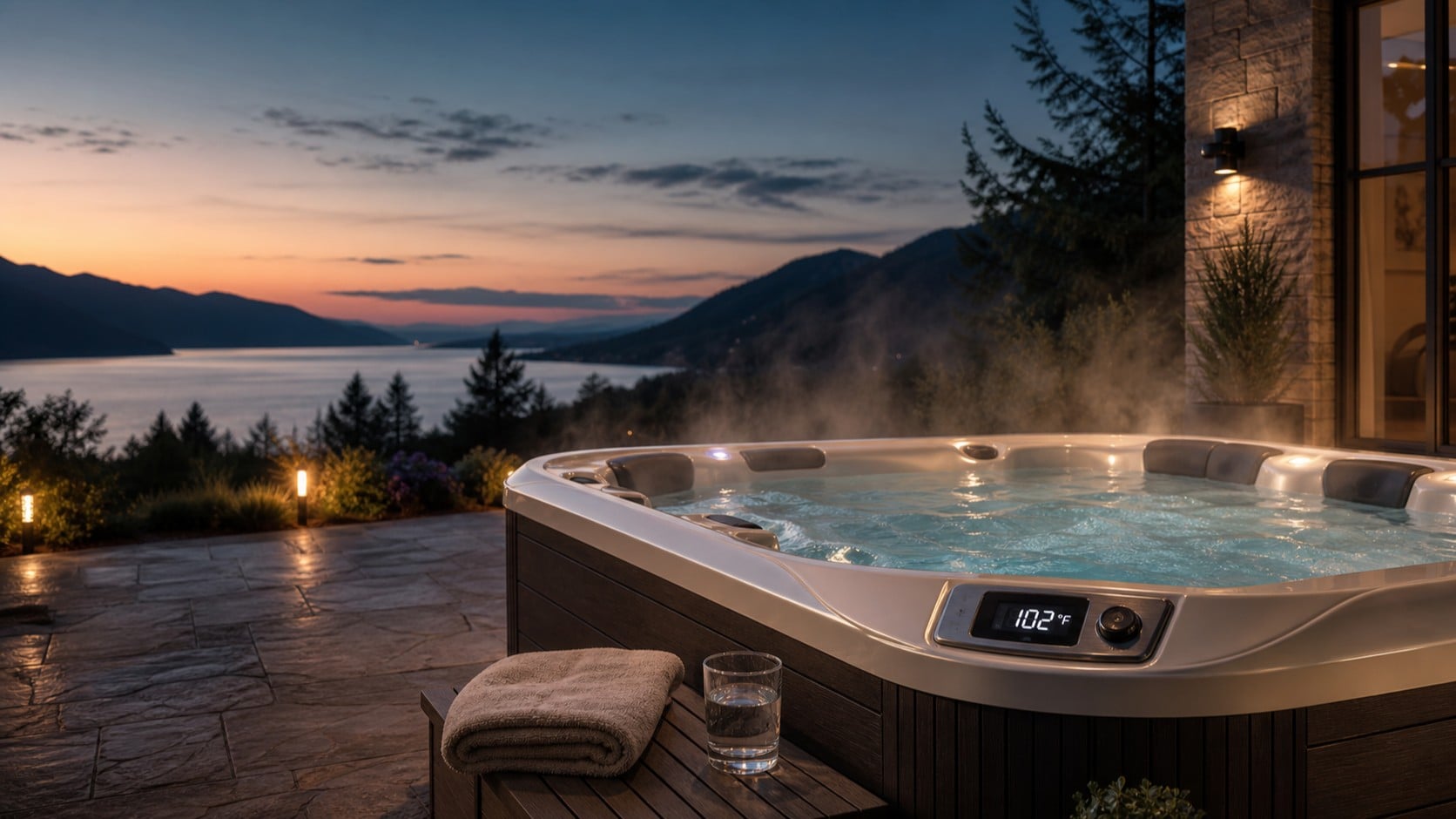
- The ideal hot tub temperature for better sleep is 100°F to 102°F, with 104°F as the maximum safe limit for healthy adults
- A moderate soak works best when timed 60 to 120 minutes before bedtime so the body’s natural cooldown lines up with sleep onset
- Research published in the National Sleep Foundation’s Sleep Health journal found immersion under 18 minutes and water below 107°F showed the most consistent sleep benefits
- Older adults, pregnant individuals, children, and people with certain medical conditions should use lower water temperatures for safety
- Water chemistry, not just temperature, plays a major role in keeping soaks safe and sleep-friendly
A warm soak before bed can feel like a small luxury, but the science behind it explains why so many people sleep better after climbing out of a hot tub. The right water temperature, timing, and session length work together to nudge the body into its natural wind-down process. Collective Relaxation, a Staten Island-based home wellness retailer, breaks down exactly how this works in its guide on how hot a hot tub should be, and the details matter more than most people realize.
The Best Temperature Range for Sleep
For most healthy adults, the sweet spot for a bedtime soak sits between 100°F and 102°F. This range delivers enough warmth to trigger the physical changes that make sleep come easier, without pushing the body into overstimulation. The U.S. Consumer Product Safety Commission set the maximum safe temperature for hot tubs at 104°F back in 1979, a ceiling that recent clinical studies from the American Medical Association have validated, and that limit works better for short recovery soaks than for a relaxed evening routine.
Going hotter does not mean sleeping better. A soak that pushes toward the maximum safe limit can leave the body feeling wired instead of drowsy, which works against the goal of a calm pre-sleep routine. Keeping the dial around 100°F to 102°F strikes the balance between comfort and the physiological cooldown that sleep depends on.
Why Heat Triggers Natural Sleepiness
Warm water immersion sets off a chain reaction inside the body that closely mirrors what happens naturally before sleep. Understanding this process makes it easier to see why timing and temperature both matter so much.
The Cooldown Effect After Soaking
During a soak, core body temperature rises as blood vessels near the skin’s surface dilate to help release heat. Once out of the water, that same process reverses, and body temperature drops more sharply than it would have without the soak. This rapid cooldown mimics the natural temperature decline the body goes through right before sleep onset, which is part of why a warm soak can help people fall asleep faster. Research published in the National Sleep Foundation’s Sleep Health journal found that hot tub bathing before bedtime improved both objective and subjective sleep quality in older adults, with participants showing greater heat dissipation around sleep onset when measured by skin temperature.
Calming the Nervous System
Beyond the temperature shift, warm water soothes the nervous system in ways that support restful sleep. Soaking triggers the release of endorphins and serotonin, natural mood elevators that promote a sense of calm and well-being. This same process helps lower stress hormones like cortisol, creating the mental stillness needed to drift off. Improved circulation adds another layer of benefit, since dilated blood vessels can ease restless legs and cold extremities that sometimes keep people awake.
Timing Your Soak Right
Temperature only tells half the story. When the soak happens matters just as much as how hot the water is, since a poorly timed session can undercut the sleep benefits entirely.
How Long to Stay In
A reasonable hot tub session runs 15 to 30 minutes, depending on water temperature and personal comfort. Hotter water calls for a shorter stay, while cooler settings allow for a longer, more relaxed soak. The National Sleep Foundation study found that immersion durations under 18 minutes paired with water temperatures below 107°F showed the most consistent sleep benefits, reinforcing that moderate and brief tends to outperform long and intense when the goal is better sleep.
Best Window Before Bedtime
The most effective timing for a sleep-focused soak falls somewhere between 60 and 120 minutes before bedtime. This window gives the body enough time to complete the rise-and-fall temperature cycle so the cooldown lines up with natural sleep onset. Soaking too close to bedtime can leave the body still feeling stimulated when it’s time to lie down, while soaking too early in the evening may let the benefits fade before they matter. Finding that middle window turns a hot tub into a genuine part of a nightly wind-down routine rather than just an evening treat.
How Warm Water Improves Sleep Quality
The sleep benefits of a warm soak go beyond simply feeling relaxed in the moment. Physical relief plays a real role too, since chronic pain and stiffness are common culprits behind restless nights. Heat therapy, buoyancy, and the massaging action of hydrotherapy jets can ease joint stiffness and reduce pain levels, making it easier to settle into a comfortable position for sleep. Better circulation from vasodilation also lowers blood pressure and eases strain on the cardiovascular system, which supports the kind of physical calm that makes falling asleep easier. Taken together, these effects explain why a well-timed soak can feel like flipping a switch from a wound-up state to one that’s ready for bed.
Adjusting Temperature for Special Groups
Not every household fits the same 100°F to 102°F guideline, and knowing when to dial things back protects both comfort and safety.
Older Adults and Medical Conditions Need Lower Heat
Older adults and people managing cardiovascular conditions, diabetes, or other chronic health issues often do better with cooler water, generally in the 98°F to 100°F range, and should check with a healthcare provider before making hot tub soaking a regular habit. Since hot water immersion mildly raises heart rate as blood vessels dilate, that response can be more taxing for someone with an existing heart condition than for a healthy adult. Reduced skin sensation from conditions like diabetic neuropathy can also make it harder to notice water that’s too hot before irritation sets in, so a lower starting temperature is the safer default.
Safer Limits for Pregnancy and Children
Pregnant individuals should keep water under 100°F, limit how long they stay in, and talk with a doctor before use, especially avoiding hot tub soaking altogether during the first trimester. Children regulate body heat less efficiently than adults, so their sessions call for water under 95°F, shorter time limits, and direct supervision throughout. If children, older adults, pregnancy, or any medical condition are part of the picture, choosing the lower end of the temperature range is always the safer call.
Keeping Water Safe for Sleep-Friendly Soaks
Temperature is only part of what makes a soak safe and worthwhile. Water chemistry plays a critical role, since hot tubs run in a warm range that can make sanitation more challenging than in a typical pool. Regularly testing and adjusting sanitizer levels, whether chlorine or bromine, along with keeping pH balanced, matters for preventing skin irritation and equipment damage while keeping the water genuinely clean rather than just clear-looking. Filters also need attention, since a clogged filter forces the pump to work harder and undermines even well-balanced water chemistry. Clean, properly balanced water supports the kind of relaxed, worry-free soak that actually helps with sleep, rather than one cut short by discomfort or irritation.
Moderate Heat Wins Over Maximum Heat for Sleep
Cranking the temperature to its highest safe setting might sound like the fastest route to relaxation, but the evidence points the other way. A University of Texas meta-analysis found that bathing one to two hours before bedtime in water of about 104°F to 109°F improved overall sleep quality and reduced the time needed to fall asleep by an average of 10 minutes, while the National Sleep Foundation’s research pointed to temperatures below 107°F as the more consistent sweet spot. Across these findings, moderate warmth paired with a shorter, well-timed session outperforms an intense, maximum-heat soak that leaves the body overstimulated instead of calm.
Building a nightly soak around 100°F to 102°F, kept to around 15 to 30 minutes and timed 60 to 120 minutes before lights-out, gives the body exactly what it needs to wind down naturally. For anyone ready to turn this into a regular part of an evening routine, looking into hot tubs designed for home use is a practical next step toward more consistent, restful sleep.
Collective Relaxation
jerry@CollectiveRelaxation.com
+1 929 493 4366
194 Woehrle Avenue
STATEN ISLAND
NY
10312
United States


