Understanding Installation Sequence Protects Plant Investments and Reduces Property Disruption
Bellbrook, United States – February 27, 2026 / Tom’s Mulch & Landscaping /
Bellbrook, OH — Property owners preparing comprehensive landscape improvements face a critical sequencing decision that significantly impacts project outcomes and costs. Should hardscaping elements like patios and retaining walls be installed before or after plantings and lawn areas? Tom’s Mulch & Landscaping has published guidance addressing how planning creates better landscape results, explaining why hardscaping typically comes first and what happens when property owners reverse this order.
The decision affects more than installation convenience. Sequencing determines whether heavy equipment damages newly installed plants, whether soil compaction undermines plant health, and whether regrading requirements disrupt established landscape beds. For property owners in Dayton, Centerville, Beavercreek, and Springboro, understanding these implications before committing to installation schedules prevents expensive corrections and protects landscape investments.
Why Sequencing Matters More Than Most Property Owners Realize
Many homeowners approach landscape improvements as separate projects rather than integrated systems. They may install plantings one year and add a patio the following season, not recognizing how later hardscaping work will impact existing softscape elements. This piecemeal approach seems logical because plantings appear simpler and less expensive to start with, but it creates complications that drive up total project costs.
Hardscaping installation requires heavy equipment for excavation, material delivery, and compaction. Skid steers, excavators, and delivery trucks cannot navigate properties without affecting surrounding areas. When these machines cross established lawn areas or work near existing landscape beds, they compact soil and potentially damage root systems. Mature plantings represent significant investments that can be destroyed or severely stressed by equipment traffic.
Grading requirements for proper hardscape installation frequently extend beyond the immediate feature footprint. A patio needs appropriate slope for drainage. Retaining walls require level base preparation and proper backfill. These grade changes affect surrounding areas where property owners may have already installed plantings. Adjusting grades after softscaping is complete means removing plants, reworking soil, and either relocating or replacing vegetation.
Material delivery and staging also impact properties. Pallets of pavers, loads of gravel, and stone for retaining walls need accessible placement near work areas. When softscaping already occupies these spaces, contractors must work around existing features, increasing labor time and project costs. Alternatively, existing plantings may require removal and replacement, eliminating any cost advantage from installing them first.
Drainage modifications associated with hardscaping affect where water flows across properties. If plantings are already established in areas that will receive redirected runoff, they may not tolerate the changed moisture conditions. Plants selected for dry conditions suffer when hardscaping changes channel water toward them. Conversely, moisture-loving plants struggle when hardscaping diverts water away.
How Installation Sequence Affects Project Success and Costs
Proper sequencing creates stable foundations that support long-term landscape performance. When hardscaping is installed first, contractors can freely move equipment, stage materials, and complete grading without concern for protecting existing plantings. This efficiency reduces labor hours and minimizes complications that arise from working around established features.
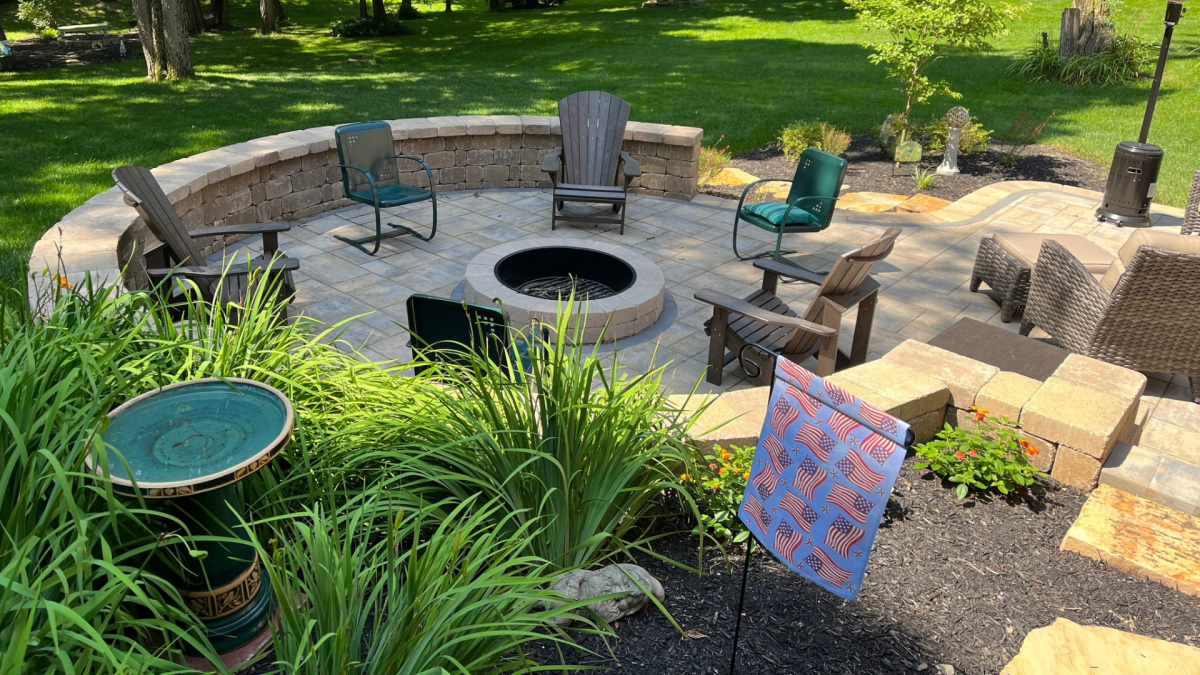
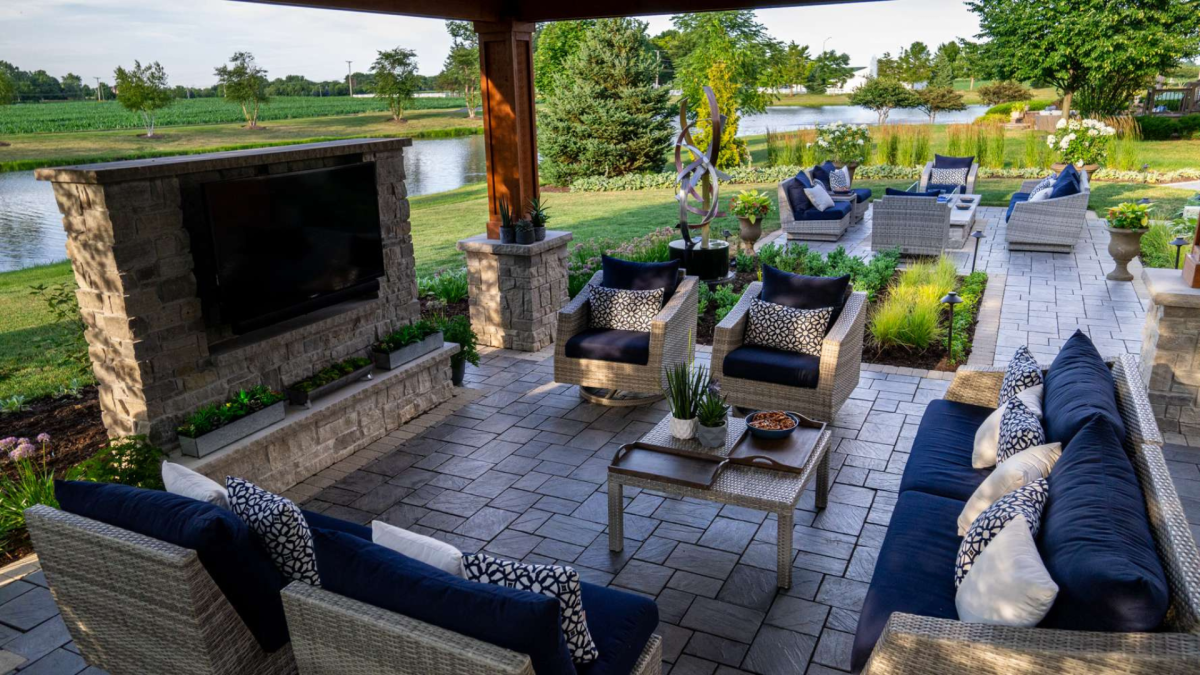
Hardscaping establishes the permanent framework that defines outdoor spaces and determines how property owners will use different areas. Patios and walkways create level surfaces for furniture and foot traffic. Retaining walls manage grade changes and prevent erosion. Outdoor kitchens and fire pits anchor entertaining spaces. Seating walls provide functional boundaries while adding vertical interest. These structural elements shape the landscape architecture that everything else must work around.
Once hardscaping is complete, the resulting framework reveals exactly which areas need plantings, where drainage occurs, and which microclimates exist. Property owners and designers can see how morning sun hits the space next to a new patio or where a retaining wall creates sheltered planting opportunities. This information guides plant selection and placement decisions that match actual site conditions rather than assumptions made before hardscaping altered the property.
Soil conditions after hardscaping installation may differ substantially from original conditions. Areas adjacent to new features often need amendment to address compaction from equipment or to improve drainage where grading has changed. Addressing these soil issues before planting ensures new vegetation establishes in optimal conditions. Installing plantings first means working with pre-hardscaping soil conditions that will change, potentially undermining plant health.
Budget allocation becomes clearer when hardscaping is completed first. Property owners can see exactly what their structural investment delivered and make informed decisions about softscaping priorities based on remaining budget and actual space requirements. This visibility prevents overcommitting to plantings before understanding total hardscaping costs, which can vary based on site conditions discovered during excavation.
The completed hardscape also allows property owners to live with the space before finalizing planting plans. They can observe how they actually use different areas, where privacy screening is most needed, and where seasonal interest matters most. This experiential knowledge leads to better softscape decisions than planning everything simultaneously.
How Sequencing Decisions Are Evaluated in Real Projects
Tom’s Mulch & Landscaping guides property owners through sequencing decisions by evaluating specific property conditions and project goals. The assessment considers existing features that must be preserved, access limitations that affect equipment movement, and the scope of hardscaping work planned. These factors determine whether standard hardscaping-first sequencing applies or if particular circumstances warrant modified approaches.
Projects involving extensive hardscaping across multiple areas benefit most from complete structural installation before softscaping begins. When patios, walkways, retaining walls, and outdoor living features will significantly reshape property topography and use patterns, completing this framework first provides clarity for all subsequent decisions.
Some properties present access challenges where hardscaping equipment must cross areas already containing mature vegetation that property owners want preserved. In these situations, establishing protected equipment corridors and careful project staging minimize impacts while still maintaining appropriate installation sequence for new features.
The company’s design process incorporates realistic project phasing that acknowledges budget constraints while maintaining proper sequencing principles. When property owners cannot complete all planned hardscaping in a single season, designs prioritize which structural elements provide the most value and establish the clearest framework for future phases. This approach prevents the problems associated with installing plantings in areas that will later need hardscaping work.
Site-Specific Factors That Influence Sequencing Decisions
Properties throughout southwest Ohio’s Bellbrook and Dayton areas present drainage considerations that make proper sequencing particularly important. Clay soil common across the region requires careful grading to prevent water accumulation. Establishing hardscaping first ensures drainage patterns are set before plantings are selected based on actual moisture conditions each area will experience.
Existing site features like mature trees, utility locations, and easements affect both hardscaping placement and equipment access. Understanding these constraints during initial planning prevents situations where property owners install softscaping in areas that later need hardscaping modifications.
Property size and layout influence how much flexibility exists for equipment movement and material staging. Smaller properties with limited access require more careful sequencing planning to avoid unnecessary disruption. Larger properties may offer more options but still benefit from systematic hardscaping-first approaches.
Soil quality and existing grade conditions determine how much site preparation hardscaping will require. Properties needing significant regrading or soil amendment should definitely complete this disruptive work before introducing new plantings that would be affected.
Building Projects Around Clear Communication
Tom’s Mulch & Landscaping emphasizes transparent discussion of sequencing implications during project planning. Property owners receive clear explanations of why certain installation orders make sense for their specific situations and what complications alternative approaches might create. This information supports confident decision making.
The company’s approach recognizes that property owners often feel pressure to see immediate landscape transformation. Local homeowners and property managers receive realistic guidance about installation timelines and the value of patience when phasing work appropriately. Understanding that hardscaping-first sequencing leads to better long-term outcomes helps property owners accept that complete transformation takes time.
Project communication includes detailed explanation of how each phase affects subsequent work. Property owners understand what to expect during hardscaping installation and how the completed framework will inform softscaping decisions. Regular updates throughout installation keep everyone aligned on progress and any site-specific adjustments needed.
Why Reversing Standard Sequence Creates Avoidable Problems
Property owners who install plantings before hardscaping typically face at least one of several costly complications. Mature plants may require removal and replacement when hardscaping work damages them or when grade changes make their original locations unsuitable. Even careful equipment operation cannot entirely eliminate risk to existing vegetation during excavation and installation.
Soil compaction from heavy equipment traffic undermines plant health even when visible damage doesn’t occur. Compacted soil restricts root growth and reduces water infiltration, causing long-term performance problems. Replacing compacted soil after the fact is expensive and disruptive.
Project budgets suffer when sequencing forces contractors to work inefficiently around existing features. Additional labor time and careful material handling increase costs beyond what properly sequenced installation would require. These extra expenses often exceed what property owners thought they saved by installing plantings first.
Most significantly, reversed sequencing prevents property owners from making informed softscape decisions based on actual completed conditions. They commit to plant selections and placement before knowing how hardscaping will change their property. Getting sequencing right from the start avoids these problems entirely and protects the full landscape investment. Contact Tom’s Mulch & Landscaping at 937-870-3369 to discuss proper project sequencing for your property.

Contact Information:
Tom’s Mulch & Landscaping
2113 Ferry Road
Bellbrook, OH 45305
United States
Contact Tom’s Mulch & Landscaping
https://tomsmulch.com/


Original Source: https://tomsmulch.com/media-room/