Columbia Area Homeowners Face Tradeoffs Between Cost, Longevity, and Aesthetics
Columbia, United States – February 27, 2026 / Sparta Lawn Care /
Weighing Material Options for Landscape Bed Performance
Homeowners planning landscape bed installations or refreshing existing beds face a fundamental choice between mulch and pinestraw. This decision affects not only the immediate appearance of a property but also maintenance requirements, material replacement frequency, and long-term costs. The choice depends on multiple factors including existing landscape style, plant types, sun exposure, and how often homeowners want to refresh bed materials. Sparta Lawn Care’s detailed comparison of mulch and pinestraw examines how these materials perform differently in the Columbia, SC climate and what those differences mean for residential properties across Irmo, Chapin, Blythewood, Elgin, and Rock Hill.
Why Mulch and Pinestraw Performance Differs in Landscape Beds
The confusion between mulch and pinestraw stems from the fact that both materials serve the same basic functions: suppressing weeds, retaining soil moisture, regulating soil temperature, and improving visual appearance. However, they accomplish these goals through different mechanisms and on different timelines.
Mulch, typically hardwood or cypress, breaks down slowly and adds organic matter to soil as it decomposes. This decomposition process enriches soil over time but also means the material compacts and darkens, requiring periodic replacement to maintain appearance. Different mulch types, including natural hardwood, dyed varieties, and cypress, offer varying longevity and color retention.
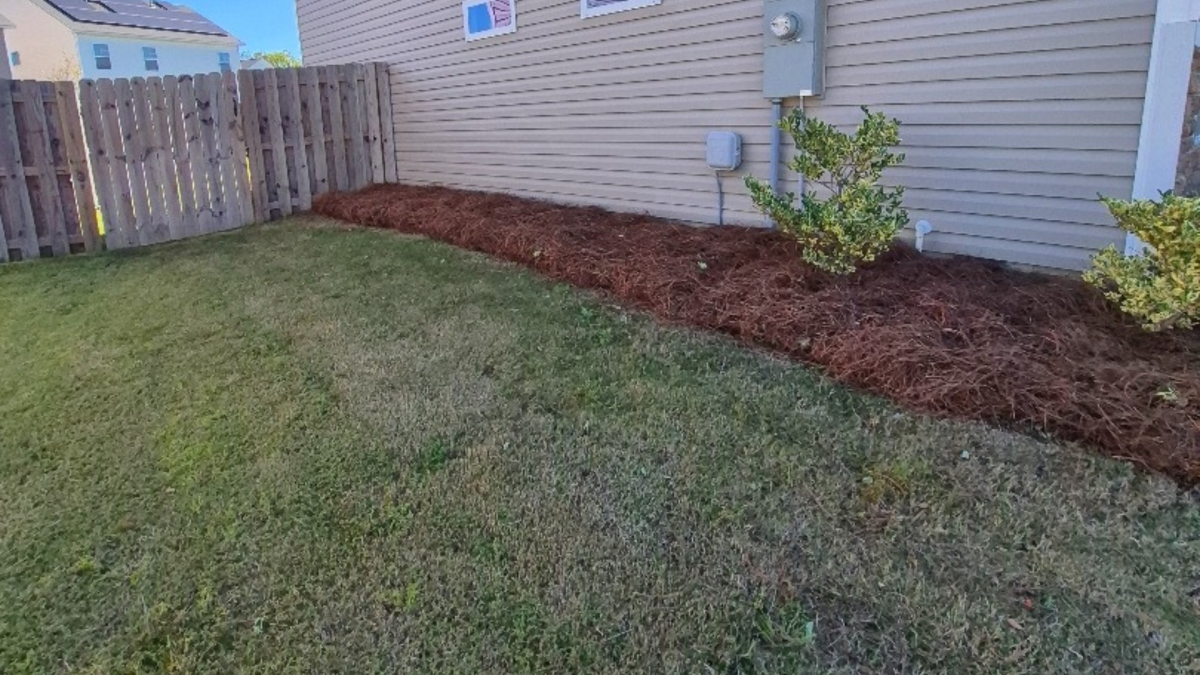
Pinestraw consists of fallen pine needles raked, baled, and spread across landscape beds. It does not compact like mulch and maintains its color longer because individual needles interlock rather than breaking down into a solid mat. However, pinestraw is lighter and can be displaced by heavy rain or wind, especially on slopes or in areas without edging.
Both materials are available year-round and can be installed in any season, though installation timing affects how long materials stay in place before needing refreshment. Understanding these differences helps homeowners set realistic expectations about maintenance intervals and total costs.
Material Choice Impact on Maintenance Schedules and Long Term Costs
Material choice influences landscape bed maintenance schedules and budgets in ways that aren’t immediately obvious. Mulch typically requires replenishment every 12 to 18 months to maintain appearance and depth, though quality material in protected areas may last longer. Pinestraw generally needs refreshing every 9 to 12 months as needles settle and thin out, particularly in high-traffic areas or beds exposed to wind.
The cost difference between materials appears straightforward initially, with pinestraw typically priced lower per bale than mulch per cubic yard. However, the coverage area per unit, installation labor, and replacement frequency all factor into long-term costs. Properties with extensive landscape bed areas may find that the material requiring less frequent replacement saves money over several years, even if the per-application cost is higher.
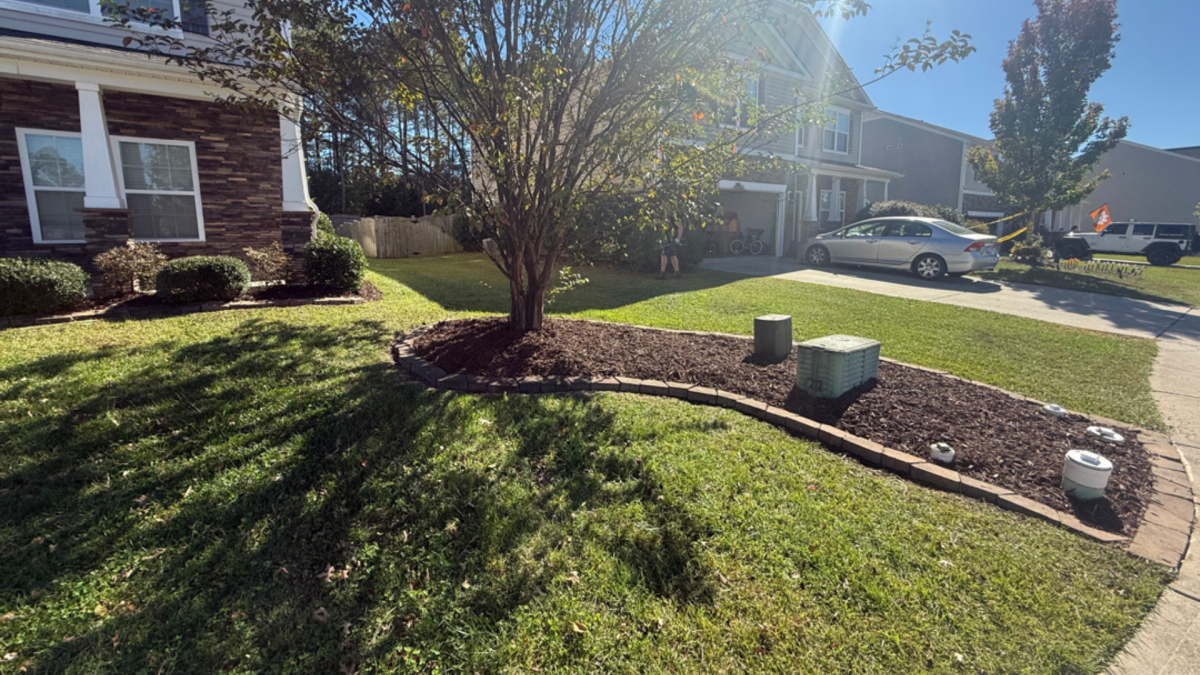
Aesthetic considerations also affect planning. Mulch provides a uniform, finished appearance that many homeowners associate with professional landscaping. Its darker color creates strong contrast with plants and architectural features. Pinestraw offers a more natural, textured look that complements properties with wooded settings or rustic design elements. Some neighborhood HOAs have preferences or restrictions regarding landscape bed materials, making it important to verify any guidelines before making decisions.
Plant health considerations sometimes favor one material over the other. Acid-loving plants like azaleas and camellias benefit from pinestraw’s slight acidification of soil as needles decompose. Mulch provides more consistent moisture retention in exposed beds where soil dries quickly. Properties with mature trees dropping leaves into beds may find that pinestraw allows easier leaf removal since needles don’t mat down and trap debris the way decomposing mulch can.
How Site Conditions Guide Material Recommendations
Sparta Lawn Care evaluates landscape bed material recommendations based on specific property conditions rather than applying a one-size-fits-all approach. Site assessment considers slope, drainage patterns, existing plant materials, sun exposure, and how beds integrate with overall property aesthetics.
For properties with steep slopes or areas prone to washout during heavy rain, mulch often performs better because its weight and tendency to compact help it stay in place. Beds with substantial edging or borders can accommodate pinestraw effectively since the edging prevents material from spreading beyond intended areas.
The company also considers maintenance preferences and schedules when discussing material options. Homeowners who want beds to maintain a fresh appearance year-round may prefer pinestraw’s color retention, while those focused on minimizing the frequency of bed refreshment often choose quality hardwood mulch that lasts longer between applications.
Installation technique affects performance regardless of material choice. Proper bed preparation, including weed removal and edging installation, creates a foundation that helps any material perform better. Adequate material depth, typically 2 to 3 inches for mulch and 3 to 4 inches for pinestraw, is necessary for effective weed suppression and moisture retention.
Local Sourcing and Property Specific Applications
Local availability and sourcing affect both cost and material consistency. The Columbia area provides access to both quality hardwood mulch and longleaf pinestraw, giving homeowners reliable options. However, specific mulch colors or pinestraw grades may have seasonal availability variations.
Properties combining multiple landscape features may benefit from using different materials in different areas. Front beds visible from the street might use mulch for its uniform appearance, while backyard beds or naturalized areas could use pinestraw. This approach allows homeowners to optimize both aesthetics and performance across their property.
Existing landscape elements also guide material selection. Properties with established landscaping installations may already have beds designed and edged for specific materials. Changing material types sometimes requires adjustments to edging, bed depth, or drainage to accommodate different material characteristics.
Communication and Service Delivery Approach
Sparta Lawn Care maintains regular communication with customers about landscape bed condition and material refresh timing throughout the year. This proactive approach helps homeowners understand when beds would benefit from additional material and why timing matters for maintaining both appearance and weed suppression effectiveness.
The company’s service approach emphasizes clear explanations of material options and realistic expectations about how each choice performs over time. Rather than defaulting to one material type, the company discusses tradeoffs specific to each property. This transparency helps homeowners make informed decisions aligned with their priorities regarding appearance, maintenance, and budget. Through consistent service across the Columbia region, the company has developed familiarity with how different materials perform in various microclimates and property conditions throughout the Midlands.
Preventing Costly Material Mismatches
Choosing landscape bed material without understanding performance differences often leads to frustration when materials don’t meet expectations for longevity, appearance retention, or maintenance requirements. Homeowners who select materials based on initial cost alone sometimes find themselves paying more over time through frequent replacement cycles. Properties with material inappropriate for their specific conditions, such as pinestraw on steep slopes or mulch in areas where soil acidification benefits plants, miss opportunities to optimize both performance and plant health. Making informed material decisions based on site-specific factors prevents these issues and creates landscape beds that maintain their appearance with reasonable maintenance.
For information about landscape bed materials or to discuss options for specific properties, contact Sparta Lawn Care at (803) 884-9730 or visit lawncarecolumbia.com.

Contact Information:
Sparta Lawn Care
8612 Wilson Blvd
Columbia, SC 29203
United States
Contact Sparta Lawn Care
(803) 884-9730
https://lawncarecolumbia.com/


Original Source: https://lawncarecolumbia.com/media-room/


