
How Professional Basement Waterproofing Protects Your Home from Water Damage and Structural Problems
Pitcairn, United States – July 6, 2026 / ARK Basement Services /
By Mike Perry, ARK Basement Services
Basement water damage undermines structural integrity and promotes mold growth, creating risks to occupants’ health and to property value. This article presents proven approaches for repairing basement water damage, with an emphasis on professional waterproofing and preventive measures. Homeowners commonly struggle to locate leak sources and appreciate the urgency of repairs, so both preventative actions and effective repair methods are required. By outlining professional remedies and routine maintenance practices, this guide provides the practical information needed to remediate basement water issues. Key topics include waterproofing methods, prevention tactics, and humidity management to give a clear understanding of the necessary steps.
Key Takeaways
- Basement water damage can cause structural issues and mold, threatening health and property value.
- Professional waterproofing includes interior sealants, exterior membranes, drainage systems, and sump pumps.
- Interior waterproofing provides immediate moisture defense, while exterior methods offer long-term protection.
- Regular maintenance and proper grading prevent future basement water damage effectively.
- Dehumidifiers and ventilation control humidity, reducing mold growth and improving air quality.
- Early signs of water damage include damp spots, mold growth, and musty odors.
- Foundation cracks require professional repair methods like crack injection or foundation piers.
- Crawl space encapsulation controls moisture, improves air quality, and enhances energy efficiency.
- Professional waterproofing services offer warranties and increase property value through durable solutions.
 Professional Waterproofing Techniques
The first essential step in addressing basement water damage is the application of effective waterproofing techniques. These methods reduce moisture intrusion and protect the structure from recurring problems. Common solutions include both interior and exterior approaches that address different points of water entry. Notable options include the installation of waterproof membranes, the use of drainage systems, and sump pump systems, each applied according to the property’s needs.
For example, interior waterproofing typically involves wall sealants and internal drainage that redirect water away from vulnerable areas. In contrast, exterior waterproofing may require excavation to fit membranes that block water before it reaches the foundation. Professional contractors select materials and techniques based on site conditions to deliver durable protection against water intrusion.
Comparison of Waterproofing Methods
Different waterproofing methods serve distinct roles and produce varying outcomes. The following comparison summarises commonly used techniques and their appropriate applications.
This comparison demonstrates that some methods, such as interior sealants, deliver immediate relief while exterior membranes aim for longer-term control. The appropriate choice depends on the source and severity of water entry and on site-specific conditions.
Strategies to Prevent Future Issues
Preventing future water damage is critical to maintaining a basement’s structural health. Routine maintenance and periodic inspections reduce the likelihood of costly repairs and extend the service life of waterproofing systems. Proactive measures allow homeowners to address minor issues before they escalate.
Key preventive actions include regular checks of drainage systems and ensuring landscaping is graded to direct water away from the foundation. Keeping gutters clear of debris maintains proper water flow, and using dehumidifiers controls interior moisture to reduce mold risk and preserve indoor air quality.
As part of these measures, professional inspections can identify weaknesses that are not obvious during routine checks and recommend targeted repairs.
Importance of Professional Guidance
Engaging experienced contractors such as Ark Basement Services provides informed assessment and long-term planning for waterproofing systems. Their work on sump pump installations and crawl space encapsulation offers practical experience that supports reliable solutions. Regular professional evaluations confirm that systems remain effective and highlight future maintenance needs.
Long-Lasting Results
Relying on professional repair and waterproofing services supports durable outcomes. Contractors commonly offer warranties on installed systems, giving homeowners documented assurance of workmanship. Properly executed repairs also tend to enhance property value by reducing the risk of recurring water issues.
Investing in professional services brings access to established techniques and materials, which can reduce ongoing maintenance requirements and limit future damage to the structure.
Common Causes and Signs of Basement Water Damage
Recognising the causes and indicators of basement water damage is essential for timely remediation. Homeowners should monitor for signs such as damp patches, visible mold, and persistent musty odors. Early detection supports faster, less costly repairs.
Early Symptoms of Basement Water Leaks
Water leaks present several early warning signs that enable prompt response. Common indicators include the following items.
- Damp Spots: Visible wet patches on walls or floors suggest moisture intrusion.
- Mold Growth: The appearance of mold or mildew indicates prolonged moisture issues, requiring immediate remediation.
- Odors: Musty smells typically correlate with excess moisture and potentially harmful mold.
Acting quickly when these signs appear can limit repair scope and protect the home’s structural elements.
Professional Techniques for Fixing Foundation Cracks
When foundation cracks are observed, prompt professional repair is necessary. Repair methods vary with the nature of the damage and the underlying cause. Common professional techniques include:
- Crack Injection: This method involves injecting a polymer or epoxy into cracks to stabilise them and prevent water from seeping through.
- Foundation Piers: For more severe structural issues, piers are installed to provide additional support to the foundation.
Each technique has specific applications; a qualified assessment determines the appropriate repair based on crack type and structural condition.
Crawl Space Waterproofing and Encapsulation
Crawl spaces are often overlooked but play a key role in a home’s moisture control. Proper treatment prevents dampness, improves indoor air quality, and reduces the risk of structural decay. Encapsulation and moisture-control measures are commonly used to manage these spaces.
Benefits of Crawl Space Encapsulation
Crawl space encapsulation provides distinct advantages, including:
- Moisture Control: Proper sealing prevents moisture from entering the home, reducing the risk of mold.
- Improved Air Quality: By sealing off the crawl space, homeowners can prevent dust and allergens from entering living areas.
- Pest Prevention: Encapsulation can deter pests like rodents and insects seeking humid environments.
These measures promote a healthier indoor environment and support energy efficiency, which can lower utility costs. For detailed information, review our crawl space waterproofing and encapsulation services.
Importance of Humidity Control
Maintaining appropriate humidity levels is essential to prevent mold growth and protect structural materials. Elevated humidity accelerates decay and reduces indoor comfort, making active humidity management a necessary component of any waterproofing strategy.
Tips for Effective Humidity Management
To manage humidity effectively, implement the following practices:
- Use Dehumidifiers: Deploying dehumidifiers in high-moisture areas significantly reduces humidity levels.
- Ventilation: Ensuring proper ventilation systems are installed and operational enhances air circulation, lowering moisture levels.
- Monitor Levels: Regularly check indoor humidity using a hygrometer and aim for levels between 30-50%.
Applying these practices helps preserve the property’s condition and reduces the likelihood of moisture-related damage.
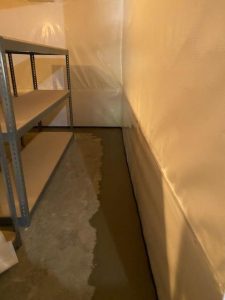 Benefits of Crawl Space Encapsulation
Employing crawl space encapsulation materially improves the home’s condition. The principal benefits include reduced moisture, better indoor air, and enhanced energy performance.
- Moisture Control: Sealing off the crawl space curbs excess moisture that can lead to mold and wood rot.
- Improved Air Quality: Reducing humidity levels keeps air fresher and minimizes allergens within the home.
- Energy Efficiency: A properly encapsulated crawl space can reduce energy costs by stabilizing temperatures and preventing drafts.
These measures improve overall safety and often result in lower heating and cooling expenses, making encapsulation a sound long-term maintenance choice.
Addressing basement water damage with professional waterproofing and structural repairs preserves the home’s integrity and health. Combining measures such as sump pump installation, adequate drainage, and regular maintenance reduces the risk of recurring moisture problems. Investing in these solutions supports property value and provides a reliable, long-term defence against water intrusion. For assistance and details on available waterproofing services, consult our service offerings.
Frequently Asked Questions
What are the signs that my basement has water damage?
Common signs include visible damp patches on walls or floors, mold growth, and persistent musty odors. Observing any of these indicators warrants a prompt inspection to limit further damage and associated repair costs.
How do I choose the right waterproofing method for my basement?
The correct method depends on factors such as the moisture source, severity of infiltration, and site conditions. Interior sealants are effective for immediate moisture control, while exterior measures address the entry point of groundwater. A professional assessment will match methods to the specific circumstances of the property.
Can I handle basement water damage repairs myself?
Minor tasks may be suitable for skilled homeowners, but substantial water damage and structural repairs require professional expertise and equipment. Incorrect repairs can worsen problems or create safety hazards, so consult a qualified contractor for significant issues.
What role does landscaping play in basement waterproofing?
Landscaping and grading direct surface water away from the foundation. Proper slope away from the house, functioning gutters, and clear downspouts help prevent water pooling near the foundation and reduce the risk of basement infiltration.
How can humidity control affect my basement?
Maintaining controlled humidity prevents mold growth and protects building materials from moisture-induced decay. Using dehumidifiers and ensuring adequate ventilation significantly reduces humidity-related risks and improves indoor air quality.
What are the benefits of professional basement waterproofing services?
Professional services provide experienced assessment, targeted repairs, and often documented warranties on installations. Contractors apply proven techniques and appropriate materials, which can extend system lifespan and protect property value.
Is crawl space encapsulation necessary for every home?
Encapsulation is not required for every property, but it is advisable where crawl spaces exhibit persistent moisture or when the space is located beneath finished living areas. In such cases, encapsulation prevents moisture transfer, improves air quality, and can reduce energy costs.


Contact Information:
ARK Basement Services
532 Broadway Blvd
Pitcairn, PA 15140
United States
Mike Perry
(866) 939-2837
https://www.arkbasementservices.com/


