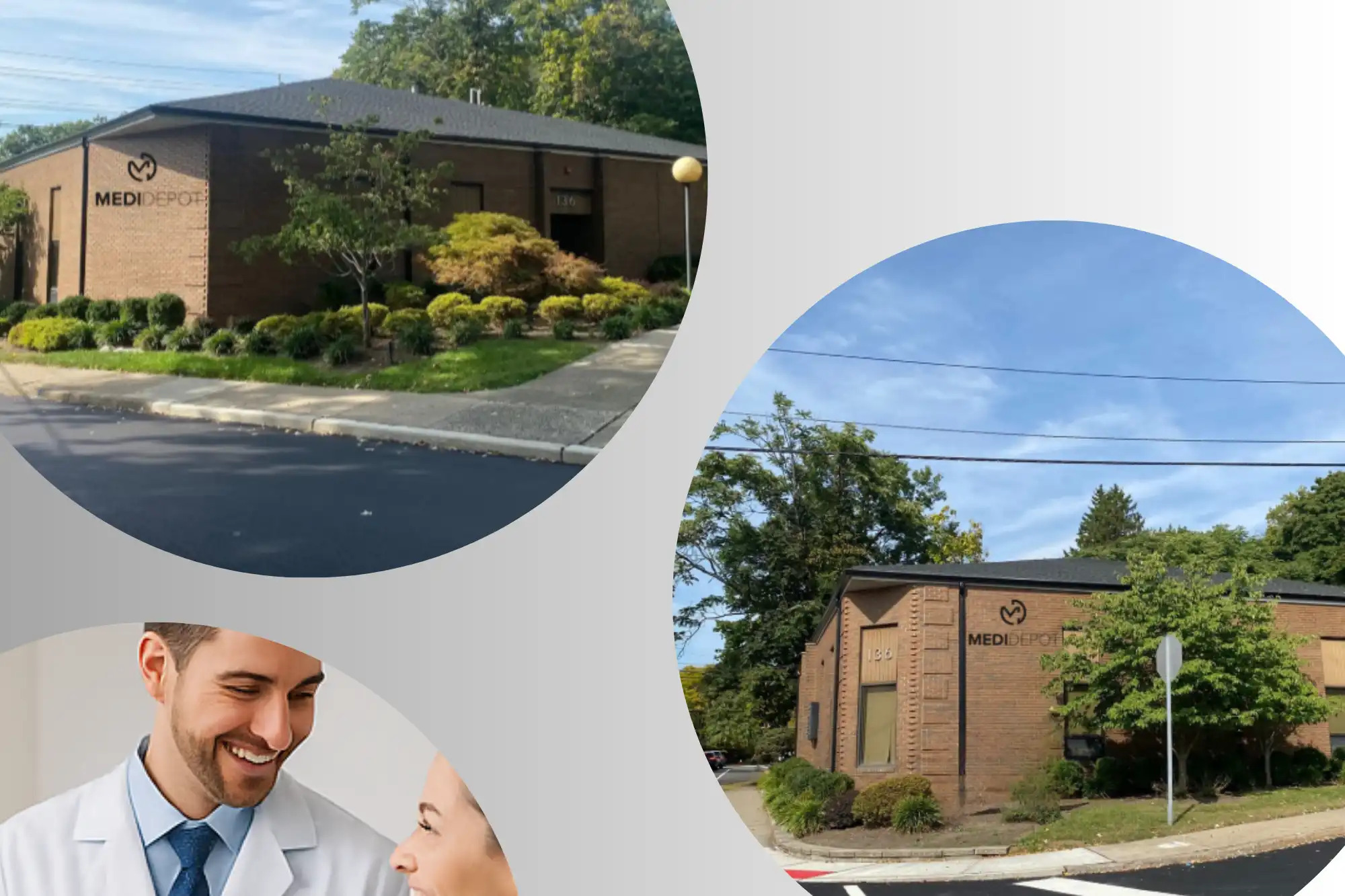
MediDepot shares a risk-based approach to first aid and emergency preparedness, covering supply selection, accessibility, maintenance, and response planning.
WOODCLIFF LAKE, NJ, UNITED STATES, September 17, 2026 /EINPresswire.com/ — As organizations review emergency preparedness plans during National Preparedness Month in September 2026, MediDepot is highlighting the importance of aligning first aid supplies with workplace risks, facility needs, and emergency response procedures.
Emergency preparedness involves more than keeping a first aid kit somewhere in a building. Effective readiness requires organizations to consider the risks in their environment, who may need assistance, where emergency supplies are located, how quickly they can be accessed, and whether equipment remains stocked and ready for use.
These considerations apply across very different environments. A physician practice, warehouse, office, school, laboratory, manufacturing facility, and public venue may all require first aid resources, but their risks, occupancy, physical layout, and potential emergency scenarios can differ substantially.
“Emergency preparedness starts with understanding the environment and the people who use it,” said Dr. David Basar, Founder of MediDepot. “First aid supplies are most useful when they are appropriate for the risks, easy to access, regularly maintained, and part of a broader response plan.”
What Should First Aid and Emergency Preparedness Include?
No single equipment list fits every organization.
A basic first aid program may include supplies for common injuries such as cuts, abrasions, minor burns, strains, and other incidents. Depending on the environment and its risk assessment, organizations may also evaluate bleeding-control supplies, eyewash equipment, personal protective equipment, AEDs, emergency response bags, evacuation equipment, or supplies intended to support longer disruptions.
The key distinction is between having emergency products and building an emergency preparedness system.
An effective system considers several connected elements:
* the hazards and emergency scenarios relevant to the location;
* the number of employees, patients, visitors, or other occupants;
* the types and quantities of supplies required;
* the location and accessibility of first aid equipment;
* employee responsibilities and training;
* inspection and replenishment schedules; and
* procedures for evacuation, communication, and emergency response.
For workplaces subject to OSHA requirements, first aid planning also has a regulatory dimension. OSHA’s 29 CFR 1910.151 requires adequate first aid supplies to be readily available when applicable, and OSHA advises employers to assess their worksites’ specific needs when determining appropriate supplies.
MediDepot’s First Aid & Emergency collection brings together first aid, emergency response, bleeding control, evacuation, and related equipment for organizations evaluating these needs.
Workplace First Aid Starts With the Risks of the Worksite
A first aid kit appropriate for a small administrative office may not provide the same level or type of preparedness required by a warehouse, manufacturing environment, construction operation, commercial kitchen, laboratory, or large public facility.
OSHA notes that larger operations, multiple operations at one location, or workplaces with unique or changing first aid needs may require additional kits, additional equipment, or different quantities and types of supplies. Employers should periodically assess worksite needs and adjust first aid resources accordingly.
That makes workplace risk assessment a more useful starting point than simply selecting a kit based on price or piece count.
Organizations can consider questions such as:
* What injuries or medical incidents could reasonably occur here?
* How many people occupy the facility?
* Are employees concentrated in one area or distributed across multiple floors, buildings, vehicles, or work zones?
* Are there hazards that create specific first aid requirements?
* How quickly could emergency medical services reach the location?
* Which employees are expected to respond before professional help arrives?
The answers can influence not only which supplies you select, but also where you place them.
First Aid Kit Accessibility During an Emergency
A well-stocked first aid cabinet provides limited value if responders cannot reach it quickly.
OSHA has explained that first aid supplies should be located in an easily accessible area and that employers are responsible for tailoring kit placement to the needs of the workplace. The agency does not prescribe a universal number of cabinets based simply on employee count or building geography.
For organizations operating larger facilities, this makes location planning part of first aid preparedness.
A single centralized cabinet may work in one environment, while another workplace may benefit from first aid stations distributed across departments, production areas, kitchens, warehouses, vehicles, or separate floors.
Visibility also matters. Employees should know where supplies are located and how to access them. Emergency equipment should not become difficult to reach because a room is locked, a cabinet is obstructed, or supplies have been moved without updating the response plan.
Choosing First Aid Kits for Different Workplace Needs
First aid kits and cabinets are available in configurations designed for different numbers of people, work environments, and anticipated hazards.
MediDepot’s current First Aid Kits selection includes workplace cabinets, portable kits, vehicle and travel configurations, trauma and bleeding-control kits, emergency preparedness kits, and refill systems.
For workplaces, ANSI/ISEA Z308.1 provides a widely used framework for workplace first aid kit contents and classifications. OSHA references ANSI guidance as a useful source for determining minimum first aid kit contents, while emphasizing that employers still need to evaluate their workplaces’ specific requirements.
This distinction is important: a standardized kit can provide a baseline, but it does not replace a workplace-specific assessment.
A facility may need additional supplies because of its size, hazards, workforce, operating environment, or distance between work areas. Likewise, some organizations may require multiple smaller stations rather than one large cabinet.
Beyond Basic First Aid: Preparing for More Serious Incidents
Emergency preparedness can extend beyond treating minor workplace injuries.
Organizations may also evaluate resources for severe bleeding, sudden cardiac arrest, burns, exposure incidents, evacuation, and other emergencies where the initial response may need to begin before emergency medical services arrive.
Bleeding-control kits, for example, are designed for a different level of response than standard adhesive bandages and gauze. AEDs address sudden cardiac arrest. Eyewash equipment may be relevant where workers could be exposed to substances that can injure the eyes, while evacuation equipment can help organizations plan for people who may have difficulty using stairs during an emergency.
OSHA requires suitable facilities for quick drenching or flushing of the eyes and body where employees may be exposed to injurious corrosive materials.
The appropriate combination depends on the hazards and emergency scenarios the organization identifies.
The objective is not to add every possible emergency product to every facility. It is to identify foreseeable needs and build an appropriate response capability around them.
Emergency Preparedness in Healthcare Facilities
Healthcare environments add another layer of complexity because employees may need to respond to emergencies while maintaining patient care.
Physician offices, outpatient centers, rehabilitation facilities, long-term care environments, laboratories, and other healthcare organizations may serve populations with limited mobility, existing medical conditions, or other needs that shape emergency planning.
Facilities may therefore need to consider not only first aid supplies but also evacuation procedures, backup resources, communication plans, accessibility, and the ability to continue essential operations during a disruption.
Physical layout can also influence preparedness. Supplies needed for routine occupational first aid may be positioned differently from equipment intended for patient emergencies or building evacuation.
Emergency planning should account for these different functions rather than treating every medical or safety product as interchangeable.
Bleeding Control as Part of Emergency Readiness
Severe bleeding is one emergency in which the required equipment differs substantially from routine first aid.
Depending on the environment and preparedness plan, bleeding-control resources may include trauma dressings, tourniquets, hemostatic dressings, gloves, and other response supplies. MediDepot’s First Aid & Emergency assortment includes individual bleeding-control kits, multi-victim configurations, and cabinets designed to organize emergency bleeding-control supplies.
When organizations deploy specialized emergency equipment, placement and training become as important as the products themselves.
Employees expected to use specialized supplies should understand their organization’s emergency procedures and receive training appropriate to their assigned responsibilities.
This same principle applies to AEDs, evacuation equipment, and other emergency-response systems: plan equipment availability and responder readiness together.
Emergency Preparedness Requires More Than the Initial Purchase
First aid preparedness can deteriorate gradually.
Bandages are used. Gloves disappear. Packaging becomes damaged. Supplies expire. Batteries require replacement. A cabinet that was complete when installed may no longer contain what responders expect to find months later.
Routine inspection and replenishment are therefore fundamental parts of preparedness.
Organizations should establish responsibility for checking first aid stations and emergency equipment at appropriate intervals. The process may include reviewing inventory levels, replacing used or expired items, confirming that equipment remains accessible, and verifying that emergency supplies still reflect current workplace risks.
OSHA’s non-mandatory first aid kit appendix similarly advises employers to periodically assess worksite needs and augment their kits as appropriate.
For organizations managing multiple first aid stations, refill systems can also help maintain consistent inventory without replacing an entire cabinet each time individual supplies are used.
Building an Emergency Preparedness Supply Strategy
A practical preparedness review can be organized around five areas:
1. Identify the risks: Consider the injuries, medical emergencies, environmental events, and operational disruptions that could reasonably affect the facility.
2. Match supplies to those risks:
Determine which first aid and emergency resources match the identified scenarios, rather than relying solely on a generic product list.
3. Plan equipment placement:
Locate supplies where responders can access them quickly, considering facility size, floors, departments, vehicles, and work zones.
4. Assign responsibility and training: Establish who checks supplies, who is expected to respond, and what training those responsibilities require.
5. Inspect, replenish, and reassess: Emergency preparedness should evolve as staffing, facilities, operations, and risks change.
This framework shifts first aid procurement from a one-time purchase to an ongoing readiness process.
Supporting First Aid and Emergency Preparedness Through MediDepot
MediDepot’s First Aid & Emergency portfolio includes workplace first aid kits and cabinets, emergency preparedness kits and backpacks, bleeding-control equipment, AED-related products, evacuation chairs, burn care, bloodborne-pathogen response supplies, portable emergency kits, and other response equipment.
By expanding first aid and safety coverage alongside its clinical and facility equipment categories, MediDepot supports a broader view of healthcare readiness—one that includes not only equipment used during routine care, but also resources organizations may need when normal operations are interrupted.
Healthcare organizations, businesses, schools, public facilities, and other institutional buyers can explore first aid and emergency preparedness resources as part of MediDepot’s broader medical equipment and supply solutions.
About MediDepot
MediDepot Medical Equipment & Supply Store is a U.S.-based medical equipment and supply platform founded in 2021 by Dr. David Basar. The company provides clinically informed access to certified medical equipment across categories such as medical refrigeration, diagnostics, laboratory, mobility, healthcare facility equipment, and home care. MediDepot supports healthcare professionals and individual buyers with transparent procurement processes, equipment purchasing resources, secure transactions, and nationwide fulfillment services.
David Basar
MediDepot Medical Equipment & Supply Store
+1 973-858-5049
support@medidepot.com
Visit us on social media:
LinkedIn
Instagram
Facebook
YouTube
Other
MediDepot: Your Trusted Partner for Medical Equipment & Healthcare Solutions | Clinical Experience
Legal Disclaimer:
EIN Presswire provides this news content “as is” without warranty of any kind. We do not accept any responsibility or liability
for the accuracy, content, images, videos, licenses, completeness, legality, or reliability of the information contained in this
article. If you have any complaints or copyright issues related to this article, kindly contact the author above.

Media gallery