
Key Takeaways
- A heater that suddenly quits often traces back to a simple cause, like a thermostat set wrong, a tripped breaker, a dirty filter, or an interrupted fuel supply, that homeowners can safely check first
- Repeated breaker trips, unusual noises, smoke, or a system that will not restart at all are signs the troubleshooting phase is over and a professional should take a look
- A gas or rotten-egg smell means leaving the home immediately and calling the gas utility from outside, never attempting to relight an appliance
- Heat pumps that run but blow cool air may have a mode setting issue, a blocked outdoor unit, or a reversing valve problem that only a trained technician can confirm
- Enhanced Heating and Air Conditioning explains that emergency HVAC help is available 24/7, 365 days a year for those facing a no-heat breakdown – find out what to expect below
A cold house on a Delaware morning has a way of turning a routine Tuesday into a scramble for blankets and space heaters. Before assuming the worst, it helps to know that many heating failures start with something small and fixable. A few calm, safe checks can sometimes restore warmth in minutes, while other symptoms are a clear signal to stop and call for professional help.
This guide walks through what to check first, what the warning signs look like for furnaces and heat pumps, and when the smart move is to step back and let a trained technician handle it.
No Heat? Check This First
When a furnace or heat pump suddenly stops producing warm air, panic is the natural reaction, but a methodical approach works better. Most no-heat calls start with a handful of common culprits: thermostat settings, a tripped breaker, a dirty filter, or an interrupted fuel supply. Working through these basics first, calmly and in order, often reveals the answer without needing a service call at all.
Treat it as a short checklist rather than a guessing game. Each item below takes only a minute or two to inspect, and none of them require opening up the furnace cabinet or touching electrical or gas components directly.
Safe Checks Before Calling For Help
Before picking up the phone, a few simple checks can rule out the easiest problems to fix. None of these require tools, technical training, or any risk to personal safety. They simply confirm whether the issue is something obvious or something that needs a trained eye.
Thermostat, Power, And Breakers
Start with the thermostat. A setting accidentally bumped to “cool” instead of “heat,” a dead battery, or a target temperature set lower than the room’s current temperature can all look exactly like a broken furnace when nothing is actually wrong with the equipment itself.
Next, check the power. Furnaces and heat pumps run on electricity even when they burn gas or oil for heat, so a tripped breaker in the electrical panel can shut the whole system down. Flip the breaker back if it has tripped, but if it trips again right away or trips repeatedly, resist the urge to keep resetting it. A breaker that keeps tripping often points to an electrical fault inside the system, and repeated resets can make the underlying problem worse or create a safety hazard. At that point, the furnace should stay off until a qualified technician diagnoses the cause.
Airflow: Filters And Vents
Airflow problems are deceptively common. A clogged furnace filter restricts the air moving through the system, which can cause the unit to overheat internally and shut itself off as a safety measure. How often a filter needs replacing depends on the filter type, but a quick visual check, holding it up to a light to see if air can still pass through, takes only a moment.
Beyond the filter, check that furniture, rugs, or boxes are not blocking supply and return vents throughout the house. Blocked vents force the system to work against itself, restricting the airflow it needs to heat the home evenly and efficiently. Clearing a few inches of space around each vent is a simple step that sometimes solves the whole problem.
Fuel Supply And Ignition Clues
For gas and oil furnaces, fuel supply matters just as much as electricity. Check that the gas valve leading to the furnace is in the open position and that an oil tank is not empty. If the furnace attempts to start but never produces a flame, something in the ignition sequence may be at fault, such as a failed ignitor. This is an important point to leave alone: a hot-surface ignitor is fragile and can be damaged by handling it, so touching or testing it is best left to a professional with the right tools and training.
Repeated clicking sounds without the furnace ever igniting also point toward an ignition issue rather than something easily fixed at home. These sounds are useful information to share with a technician over the phone, since they help narrow down what the problem might be before anyone arrives.
When A Furnace Won’t Stay On
Some furnaces start up just fine but will not stay running, shutting off again within a few minutes. This pattern has its own set of causes, separate from a furnace that will not start at all.
Short Cycling And Repeated Shutdowns
A furnace that turns on and off repeatedly before finishing a full heating cycle is often described as short cycling. Restricted airflow from a dirty filter, a thermostat malfunction, a faulty limit switch, or even a furnace that was sized incorrectly for the home can all cause this pattern. Short cycling is hard on the equipment and wastes energy, so it is worth addressing rather than living with it.
If resetting the thermostat or replacing the filter does not stop the cycling, the cause is likely something internal to the furnace’s controls or safety switches. Continuing to let the system cycle on and off can accelerate wear on components that are expensive to replace, so this is a reasonable point to arrange a diagnostic visit.
Blocked Flue Or Exhaust Vent
Furnaces rely on a flue or exhaust vent to safely carry combustion byproducts out of the home. If that pathway becomes blocked, whether by a bird’s nest, debris, or ice buildup, the furnace’s safety controls will often shut the system down automatically rather than allow exhaust to back up into the house. This shutdown is a protective feature, not a malfunction to bypass.
A blocked flue should never be cleared by guesswork or forced open. Because it involves combustion safety, this situation calls for a professional inspection to confirm the blockage is fully cleared and the venting system is working as designed before the furnace runs again.
Heat Pump Running But Not Heating
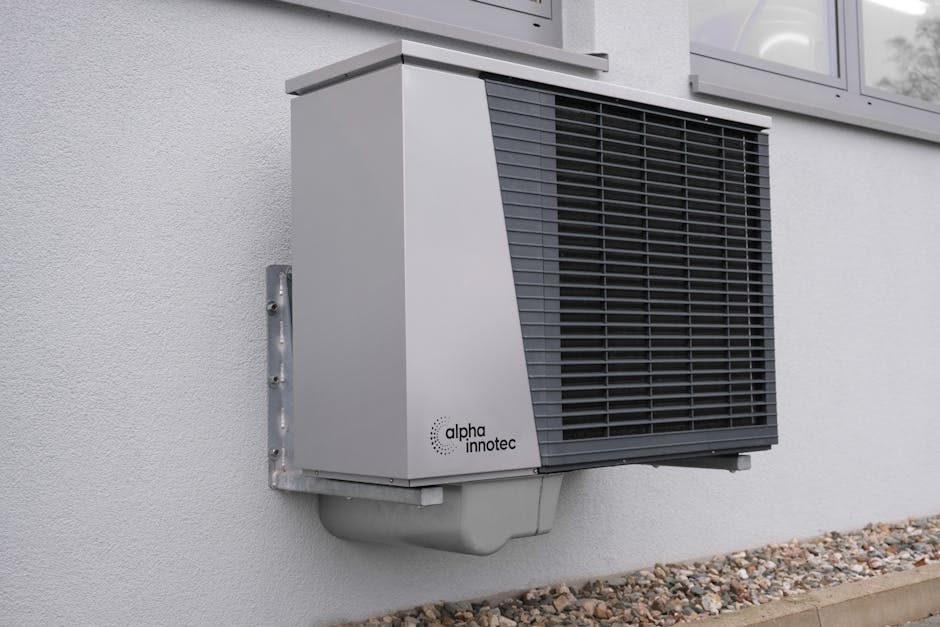
Heat pumps present a different puzzle than furnaces. The unit can be running, with the outdoor fan spinning and air coming through the vents, while the air itself never warms up. That disconnect points toward a different set of causes than a furnace that will not start at all.
Mode Settings, Debris, And Frost
Start with the obvious: confirm the thermostat is actually set to heat mode rather than fan-only or cool. From there, check the filter the same way as with a furnace, since restricted airflow affects heat pumps just as much. Also take a walk outside to look at the outdoor unit. Leaves, snow, or other debris piled against the unit can block the airflow it needs to function.
Some frost on the outdoor coil during cold weather is normal and usually clears on its own during the unit’s regular defrost cycle. Heavy ice buildup that does not melt away is a different story and signals something is not working as it should. Ice that lingers is worth mentioning to a technician rather than chipping away at it personally.
Signs Of A Reversing Valve Problem
If a heat pump was cooling the home just fine a few weeks ago and now runs constantly without producing warm air after switching to heat mode, the reversing valve is one possible explanation. This component controls whether the system heats or cools, and when it fails, the unit can get stuck performing the wrong function or struggle to switch modes properly.
Diagnosing a reversing valve issue requires specialized tools and refrigerant handling that fall outside the scope of homeowner troubleshooting. This is squarely a call-a-professional situation rather than one to attempt fixing independently.
Signs It’s Time To Call A Professional
Some symptoms are clear signals that home troubleshooting has reached its limit. Recognizing these signs quickly helps avoid further damage to the system and keeps everyone in the house safe and comfortable.
- No heat during a cold snap, especially with young children, older adults, or pets in the home
- A breaker that trips repeatedly even after being reset
- Unusual noises such as banging, grinding, or loud clicking without ignition
- Visible smoke or a burning smell coming from the system
- A furnace or heat pump that will not turn on at all after basic checks are complete
- A gas smell of any kind, however faint
Any one of these on its own is reason enough to stop troubleshooting and bring in a trained technician. Furnaces and heat pumps involve combustion, high-voltage electrical components, and refrigerant, all of which carry real risk when handled without the right training and equipment.
Acting Fast Protects Your Home And Family
A sudden loss of heat is stressful, but it does not have to mean hours of uncertainty. Working through safe, simple checks first, the thermostat, the breaker, the filter, the vents, and the fuel supply, resolves many no-heat situations without any need for outside help. When those checks do not restore heat, or when warning signs like repeated breaker trips, strange noises, or a gas smell show up, that is the moment to stop troubleshooting and bring in a trained professional.
For homeowners facing a stubborn heating system breakdown, Enhanced Heating and Air Conditioning has more resources explaining why getting ahead of the problem with a quick call to professionals often prevents a cold night from turning into a cold week.
Enhanced Heating and Air Conditioning
+1 302 836 1921
68B Albe Drive
Newark
DE
19702
United States


