Local Company Addresses Common Misidentification That Leads to Wasted Treatments
Augusta, United States – February 27, 2026 / Augusta Grass Masters /
When Lawn Problems Appear, Homeowners Face Unclear Choices
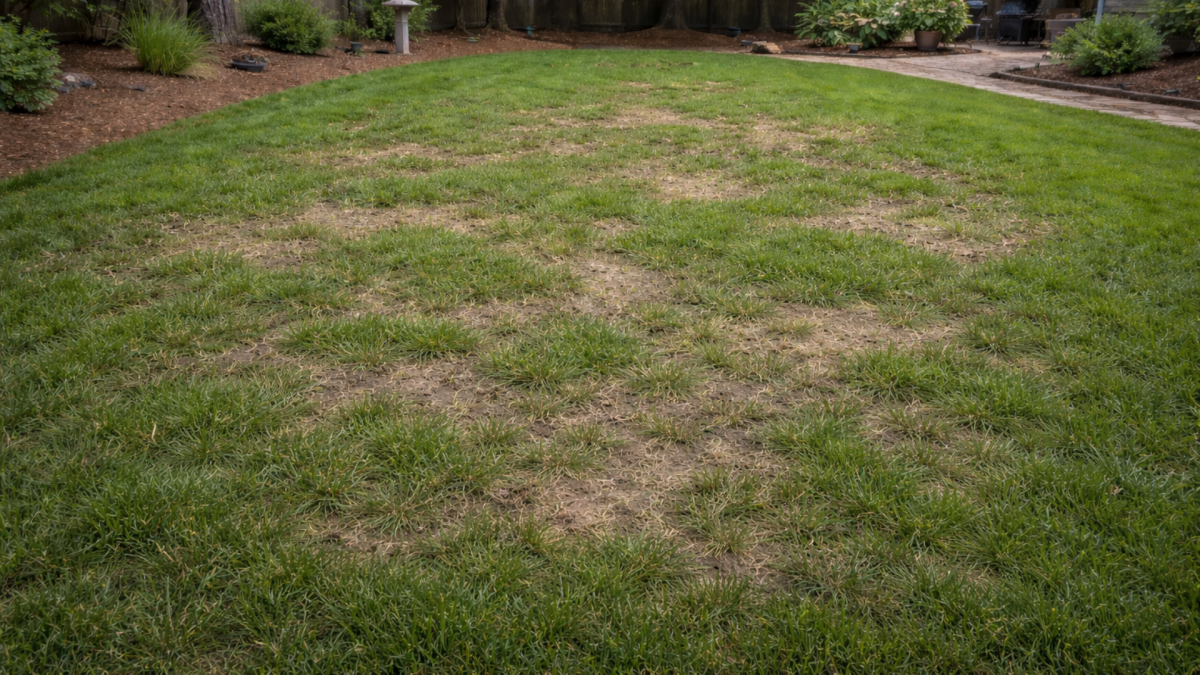
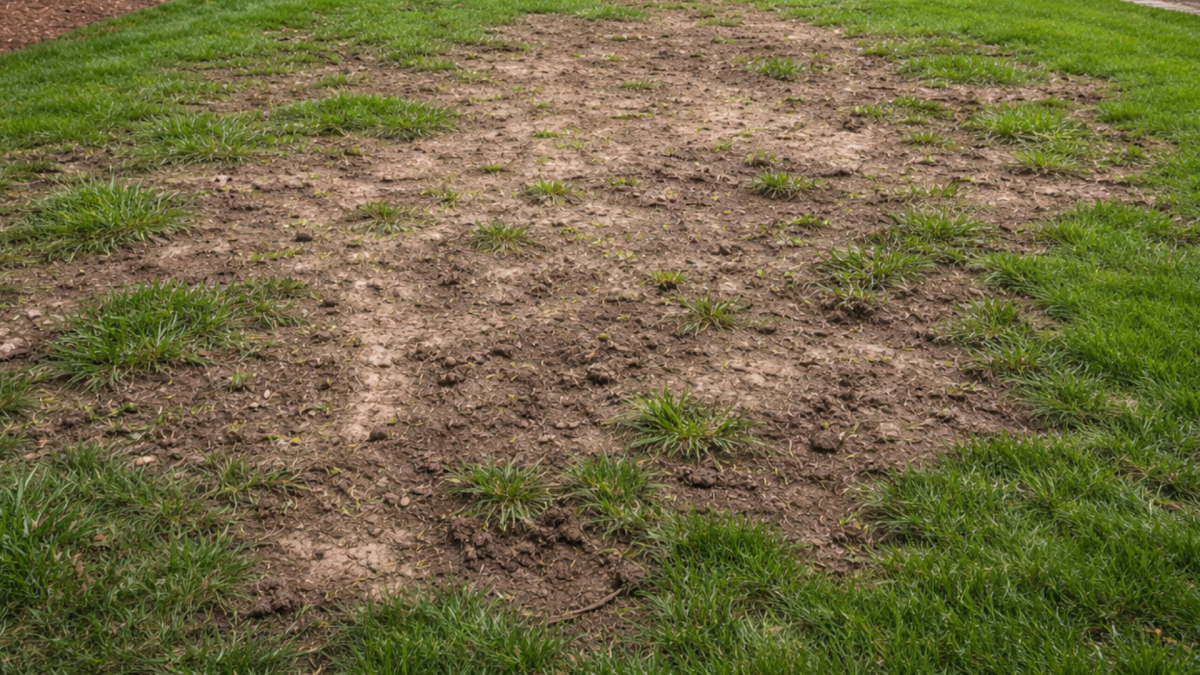
A brown patch appears in the lawn. Grass thins out in certain areas. Discoloration spreads across sections of the yard. Augusta area homeowners confronting these situations must decide whether the problem requires professional treatment, whether adjusting maintenance practices will resolve it, or whether the damage stems from factors beyond their control.
This decision matters because misidentifying the cause leads to ineffective responses. Treating environmental stress as disease wastes money on unnecessary products. Assuming insect damage will resolve on its own allows populations to expand and inflict greater harm. Addressing symptoms without understanding causes produces temporary improvements followed by recurring problems.
Augusta Grass Masters recently published guidance on identifying common lawn issues in Georgia to help property owners distinguish between conditions requiring intervention and those better addressed through cultural practice adjustments. The resource explains how lawn disease, insect activity, and environmental stress create different damage patterns and require different responses.
The Core Challenge in Diagnosing Lawn Damage
Most homeowners lack the background to differentiate between lawn problems that superficially appear similar. Brown patches can result from fungal disease, grub feeding, pet urine, drought stress, or improper mowing. Yellowing grass might indicate nitrogen deficiency, chinch bug damage, over watering, or compacted soil limiting root development.
The diagnostic challenge intensifies because multiple problems often coexist. A lawn stressed by drought becomes more susceptible to disease. Insect damage in one area may allow weed encroachment that homeowners mistake for the primary problem. Poor drainage creates conditions favoring fungal growth while simultaneously preventing healthy root development.
Homeowners typically respond to visible symptoms without investigating underlying causes. They apply fungicide to brown patches caused by buried construction debris. They increase watering frequency when the actual problem involves shallow roots from previous over watering. They assume all discoloration indicates disease when much of it stems from mower dullness creating ragged leaf edges that turn brown.
Timing further complicates accurate assessment. Some lawn diseases appear only during specific temperature and humidity ranges. Certain insects feed primarily at night or remain below the soil surface. Environmental stress damage may not become visible until days or weeks after the initial incident. By the time homeowners notice problems and attempt diagnosis, conditions may have changed enough to obscure the actual cause.
The abundance of conflicting online information adds another layer of difficulty. Homeowners research symptoms and find multiple possible explanations, often with contradictory treatment recommendations. Without experience observing how different problems develop under local conditions, property owners struggle to determine which explanation applies to their specific situation.
How Misidentification Affects Property Outcomes
Incorrect problem identification produces consequences beyond wasted treatment costs. When homeowners apply products unnecessary for the actual issue, they may disrupt beneficial organisms or create resistance in pest populations without addressing the real problem. The underlying issue continues developing while homeowners believe they’ve taken corrective action.
Delayed proper treatment often allows problems to expand beyond their original scope. Lawn diseases spread to larger areas. Insect populations grow and cause more extensive feeding damage. Meanwhile, stressed grass becomes weaker and more vulnerable to additional problems. What might have required minor intervention when correctly identified early becomes a major restoration project weeks or months later.
The pattern of misidentification and ineffective response erodes homeowner confidence in their ability to maintain their property. After several unsuccessful attempts to resolve lawn problems, many property owners either accept declining conditions as inevitable or pursue extreme measures like complete renovation when targeted treatment would have sufficed.
Financial impacts accumulate through multiple channels. Homeowners purchase products that don’t address their actual problems. They may hire services for treatments their lawns don’t need while neglecting necessary interventions. In severe cases, extensive damage requires re sodding or re seeding that proper early identification would have prevented.
Property aesthetics suffer throughout the misidentification cycle. Lawns display visible damage for extended periods while homeowners try various ineffective solutions. By the time correct identification occurs, recovery requires weeks or months depending on grass type, season, and damage severity. Neighborhoods with multiple properties experiencing similar misidentified problems can see widespread decline in curb appeal.
The psychological toll shouldn’t be discounted. Homeowners invested in maintaining attractive properties feel frustrated and defeated when their efforts fail to produce results. This frustration sometimes leads to abandoning lawn care altogether rather than seeking proper diagnosis and targeted treatment.
How Professional Assessment Approaches Problem Identification
Augusta Grass Masters evaluates lawn problems by examining multiple factors simultaneously rather than focusing solely on visible symptoms. Professionals assess the damage pattern, its location and distribution, recent weather conditions, current maintenance practices, soil conditions, and the property’s history with similar issues.
Disease identification requires understanding which pathogens thrive under current local conditions. Fungal diseases each prefer specific temperature ranges, moisture levels, and grass types. Brown patch fungus, for example, activates during warm, humid conditions and creates circular damage patterns with characteristic tan centers and dark outer rings. Take all patch produces irregular yellowing that expands slowly over time. Correct identification determines whether treatment will prove effective or whether environmental changes will naturally halt disease progression.
Insect damage assessment involves recognizing feeding patterns and life cycle timing. Grubs feed on grass roots below the soil surface, creating brown patches where turf easily pulls up like carpet. Chinch bugs cause yellowing that spreads outward from stressed areas like sidewalks and driveways where heat concentrates. Armyworms create irregular patterns of chewed grass blades. Each requires different treatment approaches and timing.
Environmental stress diagnosis considers factors like irrigation patterns, shade changes, soil compaction, and recent weather extremes. These problems rarely respond to chemical treatments and instead require adjusting maintenance practices or accepting limitations imposed by site conditions.
The company’s professionals recognize that accurate identification sometimes requires monitoring how problems develop over several days. Quick diagnosis based on a single observation may miss important patterns that become clear only through careful observation of how damage progresses or responds to weather changes.
Site Specific Factors That Influence Problem Development
Properties throughout Augusta, Evans, Grovetown, and North Augusta experience different problem frequencies based on their specific characteristics. Lawn disease in Augusta develops more readily in low lying areas with poor air circulation, shaded sections that stay damp longer, and lawns receiving excessive irrigation or rainfall.
Soil type affects both problem susceptibility and proper treatment approaches. Heavy clay soils common in the region compact easily, limiting root development and creating stress that makes grass vulnerable to disease and insect damage. Sandy soils drain quickly but may not retain sufficient moisture or nutrients during dry periods.
Sun exposure patterns change throughout the growing season as trees leaf out and shadows shift with the sun’s angle. Areas that receive adequate light in spring may become too shaded by summer, creating stress that homeowners misidentify as disease or insect damage. Understanding these seasonal variations helps distinguish between treatable problems and environmental limitations requiring different grass varieties or landscape modifications.
Existing landscape features influence problem development in ways homeowners often overlook. Downspouts concentrating water in specific areas create persistently wet zones favoring fungal growth. Buried construction debris prevents proper root development. Tree roots competing for water and nutrients stress nearby grass. Proper diagnosis must account for these property specific factors.
Building Trust Through Consistent Communication
Augusta Grass Masters maintains relationships with property owners by explaining not just what problems exist but why they developed and what factors contributed to their occurrence. This educational approach helps homeowners understand their properties better and make informed decisions about treatment options and preventive practices.
The company’s communication style prioritizes clarity over technical terminology. When discussing lawn disease, insect activity, or environmental stress, professionals explain concepts in practical terms that connect to homeowners’ observations and experiences. This approach builds understanding rather than creating dependence on expert interpretation.
This established lawn care provider in Augusta recognizes that different property owners have varying levels of interest in understanding lawn care details. Some want comprehensive explanations of diagnosis and treatment rationale. Others prefer simple recommendations and confirmation that proposed actions address their specific problems. Professionals adjust their communication approach based on individual preferences while ensuring all customers understand key decisions affecting their properties.
Avoiding Compounding Problems Through Proper Initial Diagnosis
Accurate problem identification early in damage development prevents the cascading failures that occur when issues go misdiagnosed. Property owners who recognize they need expert assessment before attempting treatments avoid the common pattern of applying ineffective products, watching problems worsen, trying additional unsuccessful interventions, and finally seeking professional help only after damage has become extensive.
Early professional diagnosis costs less than cycles of trial and error followed by major remediation. It preserves lawn health by preventing the stress accumulation that occurs when problems persist untreated. Most importantly, it gives homeowners confidence that their properties receive appropriate care based on actual conditions rather than guesswork.
Augusta Grass Masters provides lawn disease, lawn insect, and general lawn care assessment services throughout the Augusta area. Property owners concerned about lawn damage or uncertain about its cause can contact the company at 706-916-3799 to discuss their observations and arrange professional evaluation. Information about services is available through the company website.
Contact Information:
Augusta Grass Masters
1914 Thomas Lane
Augusta, GA 30904
United States
Contact Augusta Grass Masters
(706) 955-8563
https://augustagrassmasters.com/

Original Source: https://augustagrassmasters.com/media-room/