Local Tree Farm Addresses Common Questions About Large Shade Tree Placement
Magnolia, United States – February 27, 2026 / B&A Farms /
Professional Tree Installation Explained by Magnolia’s B&A Farms
Magnolia, TX – Homeowners purchasing large shade trees for their properties face a critical decision point that significantly affects long-term tree health and survival. The question centers on installation approach, specifically whether professional installation justifies its cost compared to attempting placement independently or hiring general landscaping crews without specialized tree experience.
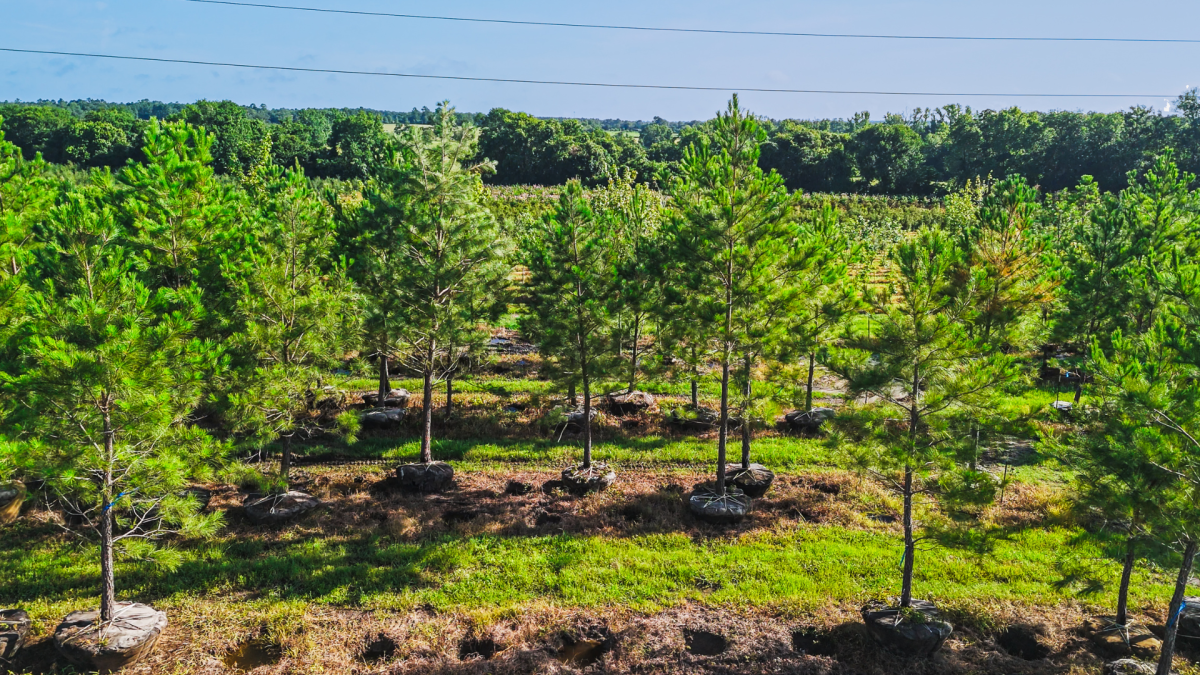
The consideration becomes more complex with large balled and burlapped trees. These specimens typically weigh between 1,000 and 2,000 pounds, with root balls measuring 3 to 4 feet in diameter. The physical logistics alone present substantial challenges, but improper installation techniques create problems that may not become apparent for months or years after planting. B&A Farms has published comprehensive information on balled and burlapped tree installations to help Greater Houston homeowners understand what proper placement involves and why expertise matters for specimens of this scale.
The Critical Variables in Large Tree Placement
Professional tree installation addresses multiple technical requirements simultaneously, each of which influences whether a tree establishes successfully or declines over time. Depth placement represents the most common installation error homeowners and inexperienced contractors make. Trees planted too deep suffocate as soil covers the root flare, restricting oxygen exchange and creating conditions for root rot. Trees planted too shallow expose structural roots to drying and temperature fluctuations, compromising stability and moisture access.
The margin for error is remarkably small. Proper depth means placing the root flare, where the trunk begins to widen into roots, at or slightly above the surrounding grade. This positioning requires identifying the root flare on the root ball, which may be obscured by burlap and excess soil from harvesting. Many DIY installations fail because homeowners cannot accurately locate this critical reference point and simply place trees at whatever depth seems visually appropriate.
Backfill composition and compaction create another layer of complexity. Simply refilling the planting hole with excavated soil seems logical but often produces poor results. Native clay soils common throughout Greater Houston require amendment strategies that balance drainage improvement with structural stability. Too much amendment creates a bathtub effect where water pools in the planting hole. Insufficient amendment leaves trees struggling in compacted clay that restricts root expansion.
Compaction must be firm enough to eliminate large air pockets that cause settling but loose enough to allow root penetration. Achieving this balance requires experience with soil behavior and proper compaction techniques. Homeowners using hand tools cannot achieve the same results as professionals with specialized equipment designed for controlled backfilling around sensitive root systems.
Burlap and wire basket removal presents additional decisions. Industry standards vary on whether these materials should be fully removed, partially removed, or left intact. The correct approach depends on material types, root ball stability, and soil conditions. Natural burlap decomposes relatively quickly and may be left on lower portions of the root ball for stability. Synthetic materials must be removed completely. Wire baskets require partial removal to prevent future girdling as roots expand.
How Installation Method Affects Long-Term Tree Performance
The consequences of improper installation often manifest slowly, creating false confidence in initial months after planting. A tree placed too deeply may leaf out normally for one or two growing seasons before showing decline symptoms. By the time chlorosis, dieback, or structural instability become obvious, the damage is irreversible without complete removal and reinstallation.
Root system development depends entirely on initial installation quality. Trees planted at incorrect depths never develop proper structural root systems, regardless of subsequent care. Roots that should spread horizontally near the surface instead grow downward or circle within the planting hole. This compromised root architecture limits the tree’s ability to access water and nutrients, reduces storm resistance, and shortens overall lifespan.
Settling represents another delayed consequence of amateur installation. When backfill is poorly compacted or contains large air pockets, the planting hole settles unevenly over subsequent months. This settling can shift the tree from proper depth placement to excessively deep burial as surrounding soil compresses. Professional installation includes proper compaction that prevents post-installation settling and maintains intended grade relationships.
Staking requirements vary based on tree size, exposure, and soil conditions. Improper staking either provides insufficient support, allowing wind to rock the root ball and break developing roots, or excessive restriction that prevents necessary trunk movement and strength development. Professional installers assess site-specific conditions to determine appropriate staking methods, duration, and removal timing.
B&A Farms Installation Standards
The mandatory professional installation requirement exists specifically to protect homeowner investments in premium balled and burlapped trees. B&A Farms maintains installation standards developed through years of experience with large shade tree placement across variable Southeast Texas soil conditions and site challenges.
Installation crews use specialized equipment designed for handling root balls weighing over 1,000 pounds safely and precisely. This equipment allows controlled placement that protects both root ball integrity and surrounding property features. Tree spades, hydraulic lifts, and proper rigging systems prevent the root ball damage common when trees are moved with inadequate equipment or manual methods.
The installation process begins with site evaluation before harvest. Crews assess access routes, identify underground utilities, evaluate soil conditions, and confirm adequate clearances for mature tree size. This advance planning prevents complications that arise when trees arrive on site only to discover access problems or conflicts with infrastructure.
Hole preparation follows precise specifications based on root ball dimensions and measured depths. Professional teams excavate holes with proper width-to-depth ratios that encourage lateral root expansion while providing stability during establishment. The hole width typically extends well beyond the root ball diameter to allow roots to penetrate native soil without encountering compacted excavation walls.
Property Variables That Complicate DIY Installation
Greater Houston properties present numerous site conditions that complicate tree installation beyond straightforward planting hole mechanics. Heavy clay soils drain poorly and resist penetration, requiring amended backfill strategies and sometimes subsurface drainage solutions. Properties with high water tables need special consideration for depth placement to prevent root suffocation during wet periods.
Existing infrastructure creates hidden complications. Underground utilities, irrigation lines, and drainage systems may not be accurately located by standard utility marking services. Professional tree delivery teams with experience across Montgomery, Tomball, Conroe, and surrounding areas recognize warning signs of buried infrastructure and adjust installation plans accordingly.
Grade changes and slope stability affect both placement technique and long-term tree stability. Trees installed on slopes require modified hole preparation and sometimes terracing to prevent erosion and ensure proper drainage. Properties with significant elevation changes may need specialized equipment for safe tree transport from delivery vehicles to final planting locations.
Local Knowledge and Service Approach
Working throughout the Greater Houston region provides ongoing exposure to the full range of soil conditions, drainage challenges, and site complications that affect tree installation success. B&A Farms installation crews encounter everything from heavy clay to sandy loams, from properties with excellent drainage to sites with standing water issues. This breadth of local experience informs installation decisions and problem-solving approaches when standard methods need modification for specific conditions.
Communication remains straightforward throughout the installation process. Homeowners receive clear explanations of what to expect on installation day, including timeline estimates, property protection measures, and cleanup procedures. Post-installation care instructions address first-season watering requirements, mulch maintenance, and signs to watch for that might indicate problems requiring attention.
The family-owned operation maintains direct accountability from farm visit through completed installation. The same team involved in helping homeowners select trees also coordinates delivery and installation scheduling, ensuring consistency and eliminating communication gaps that occur when sales and installation functions operate independently.
Preventing Expensive Mistakes Through Proper Installation
Trees represent significant financial investments for most homeowners, with large shade tree installations often costing several thousand dollars per specimen. Amateur installation that compromises tree health or survival converts this investment into a complete loss, requiring removal of failed trees and replacement costs that exceed original installation expenses.
Beyond direct replacement costs, failed installations create opportunity costs and landscape gaps that extend for years. A tree that declines after improper installation must be removed, leaving the property without the shade coverage or aesthetic contribution the homeowner intended. Replacement trees start the establishment process over, delaying the landscape benefits by multiple growing seasons.
Professional installation protects against these risks by applying proven techniques, using appropriate equipment, and leveraging experience with countless similar installations. Homeowners can reach B&A Farms at 832-734-9040 to discuss specific property conditions and installation requirements before scheduling farm visits. Addressing installation considerations early prevents surprises and ensures realistic expectations for the complete tree acquisition process from selection through establishment.
Contact Information:
B&A Farms
27612 FM 2978 Rd
Magnolia, TX 77354
United States
Contact B&A Farms
https://bandatreefarms.com/

Original Source: https://bandatreefarms.com/media-room