Toledo Homeowners Learn How Fire Feature Integration Influences Patio Layout and Long-Term Use
Toledo, United States – February 27, 2026 / Rock Solid Landscape /
Fire pits transform outdoor spaces into gathering spots that extend usable seasons beyond typical summer months, yet their effectiveness depends heavily on how well they integrate with surrounding landscape elements. Properties throughout Northwest Ohio increasingly include fire features as central components of outdoor living areas, raising questions about placement relative to patios, seating walls, and existing structures. Rock Solid Landscape addresses these integration considerations through detailed guidance on fire pit and patio design that helps homeowners understand how placement decisions affect both functionality and the overall outdoor experience. The relationship between fire features and surrounding spaces determines whether these installations become regular gathering spots or awkwardly positioned elements that limit rather than enhance outdoor usability.
These decisions carry particular weight because fire pits represent permanent installations tied to specific locations through hardscape construction and sometimes gas line connections. Moving them after completion requires demolishing finished work and rebuilding entire sections, making upfront planning essential for achieving arrangements that actually work for how families use their outdoor spaces.
Why Fire Pit Integration Requires Careful Consideration
Fire features generate heat and light that radiate outward in patterns affected by wind, surrounding structures, and seating arrangements. A fire pit positioned too close to a patio edge leaves inadequate seating space on one side, forcing guests to crowd into limited areas. Features placed too far from main gathering areas fail to provide warmth and ambiance where people actually sit, reducing their practical value during cooler evenings. The distance between fire and seating determines whether people experience comfortable warmth or excessive heat that drives them away from the feature they installed specifically to extend outdoor season comfort.
Traffic flow patterns around fire features also influence how well outdoor spaces function during gatherings. Fire pits positioned in natural walking paths create bottlenecks as guests navigate between indoor access points and outdoor seating areas. Installations that block views or create awkward circulation patterns make spaces feel cramped even when adequate square footage exists. These flow problems often go unrecognized during planning stages when homeowners focus primarily on how fire features will look rather than how people will move around them during actual use.
The relationship between fire pits and existing landscape elements affects both safety and aesthetics. Features positioned beneath tree canopy pose obvious fire hazards and require constant attention to falling leaves and debris. Locations near plantings or mulched areas create maintenance burdens and potential safety concerns. Fire pits placed too close to property boundaries raise concerns about smoke and spark drift affecting neighboring properties, particularly important in suburban settings where homes sit relatively close together.
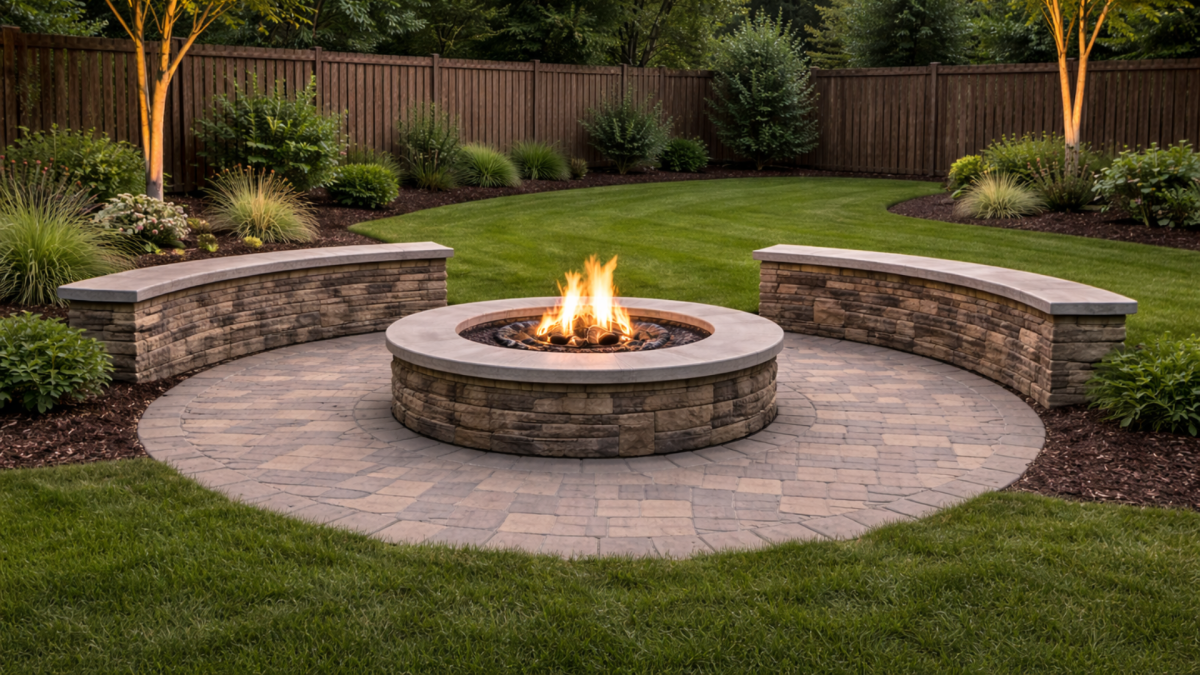
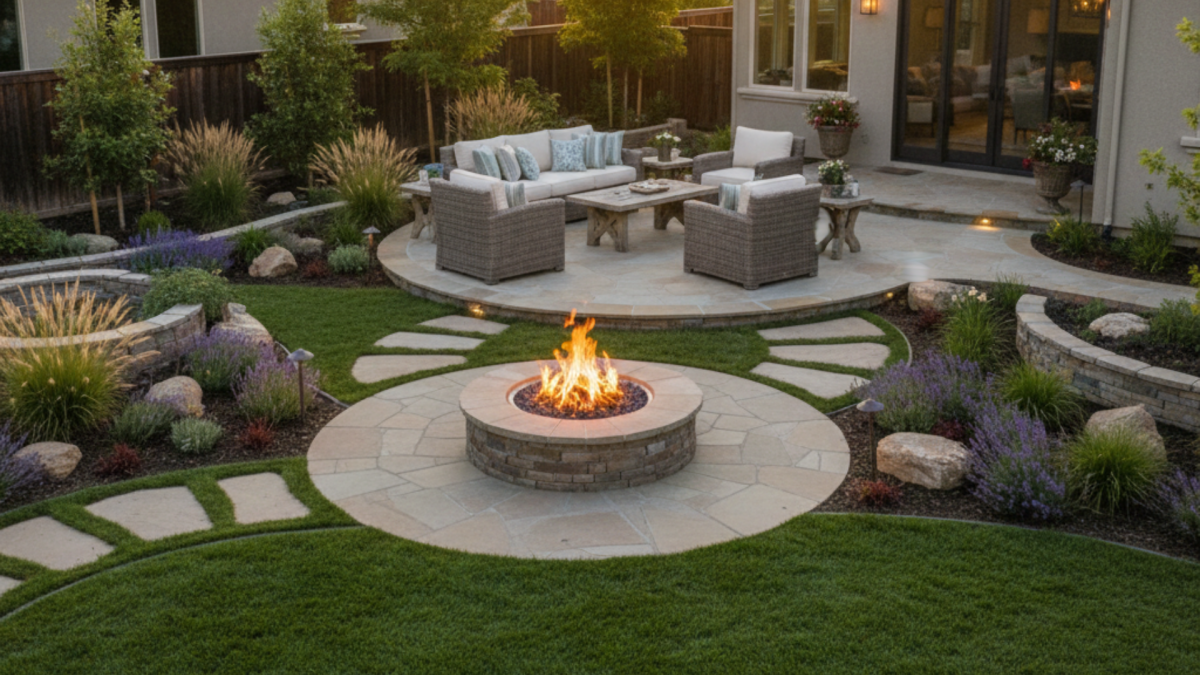
Integration with other hardscape features requires coordination that extends beyond simply positioning elements near each other. Fire pits surrounded by seating walls need adequate clearance for comfortable passage behind seated guests. Features incorporated into patio designs must work with overall paving patterns rather than appearing as afterthoughts added to finished surfaces. The materials used for fire pit surrounds should complement or match existing hardscape finishes to create cohesive appearances rather than visually disconnected installations.
Overhead clearances represent another planning factor that affects fire pit functionality and code compliance. Features positioned beneath covered structures, pergolas, or low-hanging tree branches create ventilation problems and potential fire hazards. Many municipalities enforce specific clearance requirements for fire features, particularly those using gas fuel. These regulations influence not just fire pit design but also what locations within properties meet code requirements for installation.
How Integration Decisions Shape Long-Term Outdoor Use Patterns
Well-integrated fire pits encourage regular outdoor use by creating comfortable gathering spots that naturally draw people together. Features positioned at the right distance from seating areas provide warmth without excessive heat. Installations that work with traffic flow allow easy movement between indoor and outdoor spaces. These functional arrangements make outdoor areas more appealing for evening gatherings, extending the time homeowners spend outside throughout fall and spring months when temperatures make unheated spaces uncomfortable.
Poorly integrated fire features produce opposite effects despite similar investments. Fire pits that require awkward furniture arrangements to accommodate seating see less use because setup hassles discourage spontaneous gathering. Features positioned where smoke consistently drifts toward seating areas create unpleasant experiences that make people avoid using the space. Installations that conflict with natural traffic patterns feel inconvenient even during brief outdoor sessions, reducing overall outdoor area usability.
The sequencing of fire pit installation relative to other landscape projects affects both cost efficiency and final results. Adding fire features after completing patio work often requires cutting into finished surfaces or creating visible seams between original and new hardscape sections. Installing fire pits before establishing final outdoor furniture arrangements and seating walls may result in placements that later prove awkward once complete outdoor room layouts take shape. Coordinating fire pit installation with outdoor lighting planning ensures proper illumination of surrounding areas for safety and ambiance.
Material choices for fire pit construction and surrounds also influence long-term satisfaction. Features built with materials that complement existing hardscape create unified appearances. Installations using contrasting materials can appear intentionally designed or awkwardly mismatched depending on execution quality. These aesthetic considerations affect not just immediate visual appeal but also whether homeowners remain satisfied with their outdoor spaces years after installation.
How Rock Solid Landscape Evaluates Fire Feature Integration
The company’s approach starts with understanding existing outdoor space configurations and how homeowners currently use these areas. Gathering patterns, typical group sizes, and seasonal usage expectations all inform fire pit placement recommendations. Rock Solid Landscape considers how fire features fit within complete outdoor living environments rather than treating them as standalone installations designed in isolation from surrounding elements.
Evaluation includes practical assessment of site conditions that affect fire pit performance. Wind patterns, sun exposure throughout the day, proximity to structures and property boundaries, and relationships with existing landscape features all factor into placement recommendations. This analysis often reveals that ideal locations differ from homeowners’ initial preferences once functional considerations receive thorough examination alongside aesthetic goals.
Design and rendering services help visualize how different fire pit configurations will integrate with surrounding outdoor spaces. Three-dimensional representations show spatial relationships, seating arrangements, and traffic flow patterns before construction begins. This planning stage allows adjusting layouts while changes remain straightforward rather than discovering integration problems after permanent installation creates expensive modification barriers.
Fire Feature Planning for Toledo Area Properties
Properties throughout the Toledo region face specific considerations related to local conditions and typical lot configurations. Northwest Ohio’s variable weather makes fire features particularly valuable for extending outdoor season comfort, but also means Toledo area outdoor living spaces benefit from wind protection planning that affects fire pit placement decisions. Prevailing wind directions influence where smoke naturally travels and what locations provide most consistent comfort during typical use.
Lot sizes common in suburban Toledo neighborhoods affect fire pit integration options. Smaller yards require more careful space allocation to prevent fire features from overwhelming available outdoor areas. Properties with mature landscaping must work around existing trees and plantings that influence both placement options and clearance requirements. These local factors shape what integration approaches make practical sense for individual installations.
Communication Throughout Planning and Installation
Rock Solid Landscape emphasizes clear discussion about how fire pit decisions affect overall outdoor space functionality rather than focusing narrowly on feature specifications. Property owners benefit from understanding integration considerations that influence long-term satisfaction with their complete outdoor environment. This communication approach recognizes that every property presents unique conditions and every household has different priorities for outdoor gathering spaces.
The company maintains presence throughout Northwest Ohio communities, working with properties across different lot sizes, existing landscape conditions, and outdoor living configurations. This regional experience informs realistic guidance about what integration approaches work well in local settings and what challenges commonly arise. Homeowners receive recommendations shaped by actual project outcomes rather than generic advice disconnected from Northwest Ohio property realities.
Connecting Fire Features to Broader Outdoor Planning
Fire pit installation represents one component within comprehensive outdoor living space development. How these features integrate with patios, seating walls, lighting, and traffic flow determines whether they enhance overall outdoor functionality or create complications that diminish rather than improve outdoor area usability. Understanding these connections helps homeowners sequence landscape projects strategically rather than adding elements piecemeal without considering how they work together.
Rock Solid Landscape helps Toledo area property owners plan fire feature installations that integrate effectively with existing and planned outdoor elements. Conversations address site-specific conditions, realistic usage expectations, and how fire pit decisions connect to broader outdoor living goals. Property owners can reach Rock Solid Landscape at (419) 333-8311 to discuss their specific situations and explore how fire feature planning fits within their overall property vision. Addressing integration considerations during planning creates outdoor spaces where all elements work together cohesively rather than competing for limited space and creating functional conflicts that reduce satisfaction with individual features regardless of their quality.

Contact Information:
Rock Solid Landscape
5242 Angola Rd #45
Toledo, OH 43615
United States
Contact Rock Solid
https://myrocksolidlandscape.com/

Original Source: https://myrocksolidlandscape.com/media-room-toledo/