Northwest Ohio Homeowners Learn How Layout Choices Impact Long-Term Functionality
Wauseon, United States – February 27, 2026 / Rock Solid Landscape /
Wauseon, OH – Homeowners planning outdoor kitchens face numerous decisions about placement, size, and feature selection that significantly impact whether these spaces become regular gathering spots or expensive installations that rarely get used. Rock Solid Landscape has published detailed guidance on planning outdoor entertaining spaces that address these considerations before construction begins. The information helps property owners avoid common layout mistakes that compromise functionality and create frustration after installation.
The question of where to position an outdoor kitchen within a property’s layout involves more than aesthetic preferences. Distance from the indoor kitchen affects meal preparation efficiency. Proximity to utility access points determines installation complexity and cost. Wind patterns influence comfort and appliance performance. These practical factors shape whether homeowners find their outdoor kitchen convenient enough to use regularly or whether the space sits largely unused despite significant investment.
Why Location Choices Create Long-Term Consequences
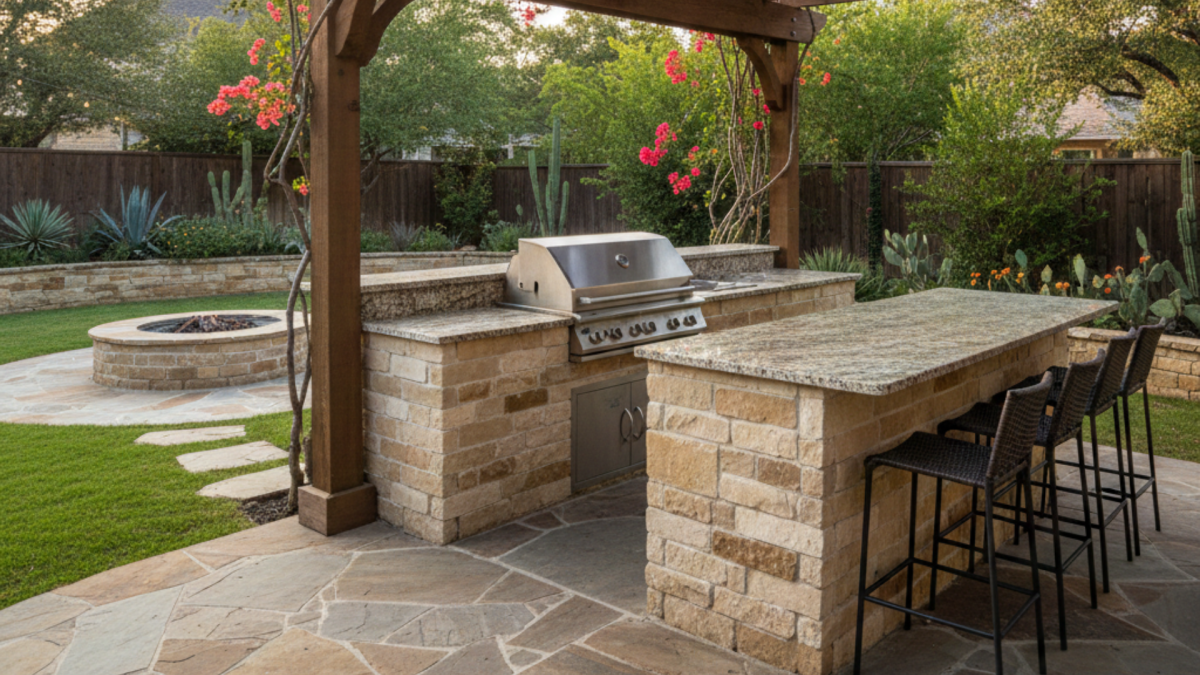
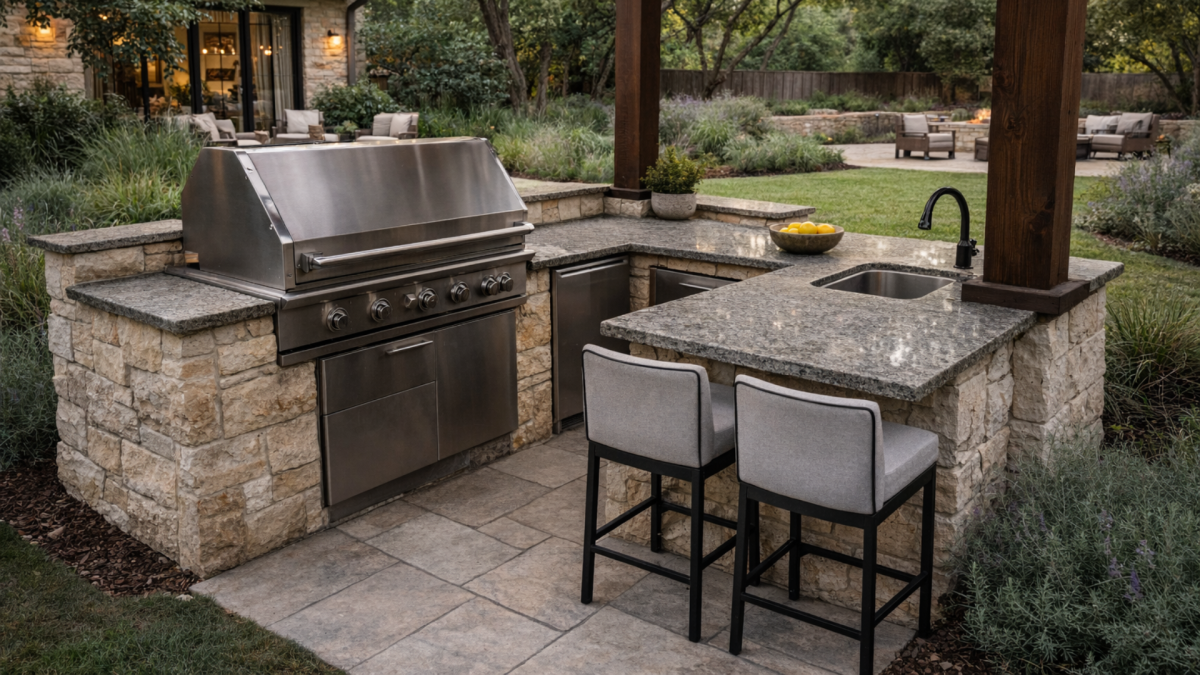
Outdoor kitchen placement decisions establish permanent infrastructure that proves difficult and expensive to relocate once installed. Gas lines, electrical connections, water supply, and drainage all require professional installation tied to specific locations. Changing these positions after completion means demolishing finished work, rerouting utilities, and rebuilding structures at considerable cost. The permanence of these choices makes upfront planning particularly important.
Many homeowners focus primarily on visual appeal when selecting outdoor kitchen locations, choosing spots that look attractive from certain vantage points without fully considering how the space will actually function during use. A beautiful outdoor kitchen positioned too far from the indoor kitchen becomes inconvenient for food prep and serving. Locations without adequate protection from prevailing winds make cooking frustrating and uncomfortable. Areas lacking natural traffic flow from indoor living spaces see less use regardless of their features.
The relationship between outdoor kitchens and other landscape elements also creates practical implications. Positioning cooking areas too close to play spaces raises safety concerns. Locations that block future landscape additions limit property development options. Placements that interfere with natural drainage patterns create water management problems. Outdoor kitchens installed without considering existing trees may face root damage to hardscape foundations or ongoing debris management issues that complicate maintenance.
Distance from property boundaries affects both functionality and code compliance. Setback requirements vary by municipality, and outdoor kitchens with gas appliances often face stricter regulations than simple patio spaces. Smoke and cooking odors drifting toward neighboring properties can create tensions in suburban settings. These considerations influence not just where outdoor kitchens can legally be installed but where they should be positioned to maintain positive relationships with adjacent homeowners.
How Poor Planning Affects Project Outcomes and Costs
Installation costs increase substantially when outdoor kitchen locations require extensive utility extensions. Running gas lines, electrical circuits, and water supply across long distances adds thousands of dollars to project budgets. Locations requiring significant grading work or retaining wall construction to create level surfaces similarly inflate costs. These expenses often surprise homeowners who selected positions based on aesthetics without understanding infrastructure requirements.
Layout decisions also determine how well outdoor kitchens integrate with other hardscape features. Outdoor kitchens that lack adequate counter space create bottlenecks during food preparation. Designs without sufficient seating areas nearby force guests to stand awkwardly during gatherings. Installations that provide no protection from weather elements limit usable days throughout the year. These functional shortcomings become apparent only after completion when patterns of actual use reveal design weaknesses.
The sequencing of outdoor kitchen installation relative to other landscape projects influences both efficiency and final results. Installing outdoor kitchens before establishing final grade levels and drainage patterns risks creating water management problems. Adding kitchens after completing patio work may require matching materials that are no longer available or creating visible seams between old and new hardscape sections. Coordinating outdoor kitchen installation with fire pit placement, seating wall construction, and outdoor lighting systems produces more cohesive results than treating each element as an isolated project.
Maintenance access represents another planning consideration that affects long-term satisfaction. Outdoor kitchens need periodic cleaning, appliance servicing, and utility maintenance. Designs that make reaching gas shutoffs, electrical panels, or plumbing connections difficult complicate routine upkeep and emergency repairs. Locations without adequate clearance around appliances prevent proper cleaning and increase fire risks. These practical concerns deserve attention during initial planning rather than becoming discovered problems after installation.
How Rock Solid Landscape Evaluates These Decisions
The company’s approach to outdoor kitchen planning starts with understanding how homeowners actually intend to use these spaces rather than immediately discussing features and finishes. Frequency of entertaining, typical group sizes, cooking preferences, and seasonal usage patterns all influence what layout and location make sense. Rock Solid Landscape considers how outdoor kitchens fit within broader property use rather than treating them as standalone installations disconnected from surrounding landscape elements.
Evaluation includes practical assessment of existing site conditions. Utility access points, drainage patterns, sun exposure throughout the day, wind direction, and views from both outdoor and indoor spaces all factor into location recommendations. The goal involves identifying positions that balance aesthetic appeal with functional performance and installation efficiency. This analysis often reveals that ideal locations differ from homeowners’ initial preferences once practical considerations receive thorough examination.
Design and rendering services help visualize how different outdoor kitchen configurations will actually appear and function within specific properties. Three-dimensional representations show spatial relationships, traffic flow patterns, and how various elements interact. This preview stage allows adjusting layouts before construction begins rather than discovering issues after permanent installation. The rendering process often prompts important questions about usage patterns and preferences that might otherwise go unaddressed until too late to modify plans efficiently.
Planning Factors for Northwest Ohio Properties
Property owners throughout Perrysburg, Wauseon, Maumee, Sylvania, and Toledo face specific considerations related to local conditions. Northwest Ohio’s clay soil requires proper foundation preparation for outdoor kitchen structures to prevent settling and cracking. The region’s weather variability means outdoor kitchen installations benefit from some weather protection through pergola structures, covered areas, or strategic positioning relative to home structures that provide wind breaks.
Lot sizes and shapes common in suburban Northwest Ohio neighborhoods influence outdoor kitchen placement options. Smaller yards require more careful space allocation to avoid overwhelming available outdoor areas. Corner lots face different privacy and setback considerations than interior lots. Properties with significant slope need retaining wall integration or extensive grading work that affects both placement options and project costs.
How Communication Shapes Project Success
Rock Solid Landscape prioritizes clear discussion about trade-offs involved in different outdoor kitchen configurations. Rather than steering toward predetermined solutions, the emphasis remains on helping homeowners understand how various choices affect functionality, costs, and long-term satisfaction. This communication approach recognizes that every property presents unique conditions and every household has different priorities for their outdoor spaces.
The company maintains presence throughout Northwest Ohio communities, working with properties across different lot configurations, neighborhood types, and landscape conditions. This local experience informs realistic guidance about what works well in regional settings and what challenges commonly arise. Homeowners gain perspective shaped by actual project outcomes rather than generic recommendations disconnected from local landscape realities specific to the area.
Avoiding Regrets Through Proper Planning
Outdoor kitchen installation represents significant investment in both materials and permanent infrastructure. Poor placement decisions create frustration that persists for years, turning what should be enjoyable gathering spaces into rarely used installations that remind homeowners of planning mistakes. The permanence of utility connections and hardscape foundations means correction costs often approach or exceed original installation expenses, making thorough upfront planning essential rather than optional.
Rock Solid Landscape helps Northwest Ohio homeowners evaluate outdoor kitchen decisions before committing to specific layouts and locations. Conversations address practical usage considerations, site condition realities, and integration with broader landscape goals. Property owners can reach Rock Solid Landscape at 419-330-1610 to discuss their specific situations and explore how outdoor kitchen planning fits within their overall property vision. Taking time to address these decisions properly prevents expensive corrections and creates outdoor spaces that genuinely enhance how families use their properties.
Contact Information:
Rock Solid Landscape
13211 Co Rd J
Wauseon, OH 43567
United States
Contact Rock Solid Landscape
(419) 330-1610
https://myrocksolidlandscape.com/

Original Source: https://myrocksolidlandscape.com/media-room