Renegade Landscapes Addresses How Layton Families Can Plan Functional Yards
Layton, United States – February 27, 2026 / Renegade Landscapes – Layton /
Homeowners throughout Layton often design outdoor spaces based on aspirational ideas about how they’ll use their yards rather than honest assessment of their actual lifestyle patterns. This disconnect leads to expensive patios that rarely host gatherings, elaborate fire pit areas that sit unused, and walkway configurations that force awkward traffic patterns. The installations themselves may be well constructed, but they don’t serve the family’s real needs because those needs weren’t clearly understood before design decisions got finalized.
Understanding how a family actually moves through and occupies outdoor space requires different thinking than simply identifying desirable features. Renegade Landscapes has published guidance on designing patios and walkways that addresses some functional considerations, though the broader question of matching installations to genuine use patterns deserves focused examination.
The Gap Between Imagined and Actual Outdoor Living
Many families envision frequent outdoor entertaining when planning landscape improvements. They picture weekend gatherings, evening conversations around fire features, and regular meals on spacious patios. These visions drive decisions about size, location, and features included in outdoor spaces.
Reality often differs significantly. Families who thought they’d host weekly gatherings may actually entertain once or twice per month. Those who imagined cooking outdoors regularly might use that space only for special occasions. The large patio designed for crowds becomes maintenance burden rather than valued amenity when actual use stays modest.
Conversely, some families underestimate how much time they’ll spend in outdoor areas once comfortable spaces exist. They install minimal patios only to realize they need more room. They skip fire features because they seem extravagant, then regret that decision when they discover how much the family would use them.
Location choices based on aesthetics rather than function create problems too. A patio positioned for beautiful views but lacking afternoon shade sits empty during summer months when heat makes it unusable. Fire pit areas placed far from the house see less use because the distance feels inconvenient. Walkways that force circuitous routes between frequently accessed areas get ignored in favor of direct paths across grass that eventually wear into dirt tracks.
Size miscalculations affect usability dramatically. Patios too small for actual furniture arrangements force awkward layouts or furniture choices the family doesn’t prefer. Oversized spaces feel empty and uncomfortable when only a few people occupy them. Walkways too narrow for two people to walk side by side create traffic bottlenecks during gatherings.
The consequences extend beyond simple disappointment. Homeowners who realize their outdoor spaces don’t match their needs face expensive choices. They can live with spaces that don’t work well, invest in modifications that may require partial demolition and reconstruction, or accept that significant money was spent on features providing limited value.
How Use Patterns Shape Smart Planning Decisions
The starting point involves honest assessment of current lifestyle rather than aspirational scenarios. Families who rarely entertain shouldn’t design for large crowds. Those who prefer casual outdoor time shouldn’t invest in formal spaces requiring significant upkeep. Parents with young children need different spaces than empty nesters.
Traffic pattern observation reveals how families naturally move through yards. Where do children play? Which routes get used daily? What areas attract family members during different times of day? These patterns indicate where hardscaping should go to support rather than fight natural behavior.
Time of day usage matters significantly. Families who spend mornings outdoors need different sun and shade considerations than those who use yards primarily during evenings. Understanding when spaces will get used helps determine optimal orientation and whether features like outdoor lighting become essential rather than optional additions.
Maintenance capacity influences long term satisfaction substantially. Elaborate plantings and softscapes surrounding outdoor living areas require ongoing care. Families without time or interest in that maintenance should emphasize hardscaping and choose low maintenance planting schemes. Conversely, families who enjoy gardening might prefer more extensive planted areas even if that means smaller paved spaces.
Privacy needs affect location and configuration choices. Some families value openness and visibility. Others prefer secluded spaces screened from neighbors. These preferences influence where features should go and what elements like vinyl fencing or strategic plantings might enhance usability.
How Real Projects Balance Aspiration With Reality
The approach Renegade Landscapes uses starts with questions about how families currently use outdoor space and what prevents them from using it more. These conversations often reveal disconnects between what homeowners think they want and what would actually improve their daily experience.
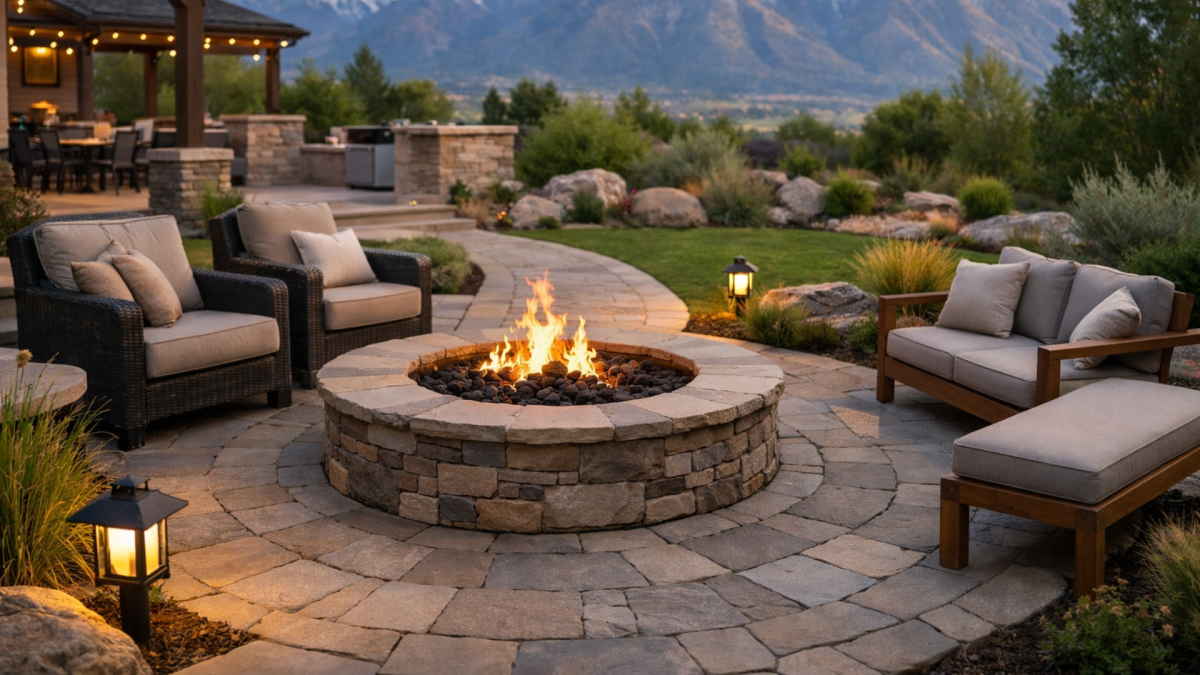
Renderings and consultations help families visualize different options and think through how each would function for their specific lifestyle. Seeing a proposed patio at actual scale helps clarify whether the size makes sense. Understanding how fire pit placement affects furniture arrangements and traffic flow prevents layout regrets.
Discussion about phasing helps families avoid overbuilding initially while leaving room for additions if usage patterns support expansion later. Starting with core functional spaces, then adding features based on proven need prevents investing in elements that may sit unused.
Material selection conversations consider both aesthetic preferences and practical factors like how surfaces feel underfoot, how different options handle northern Utah weather, and what maintenance different choices require. Families who want barefoot friendly spaces need different paving solutions than those who primarily use outdoor furniture.
The goal involves creating spaces families will genuinely use given their real lifestyle, schedule, and preferences rather than spaces that look impressive but don’t serve daily needs.
What Layton Properties Need to Consider
Properties in Layton and surrounding areas vary significantly in size, orientation, and relationship to neighboring homes. These factors influence what outdoor living configurations work well and which create problems.
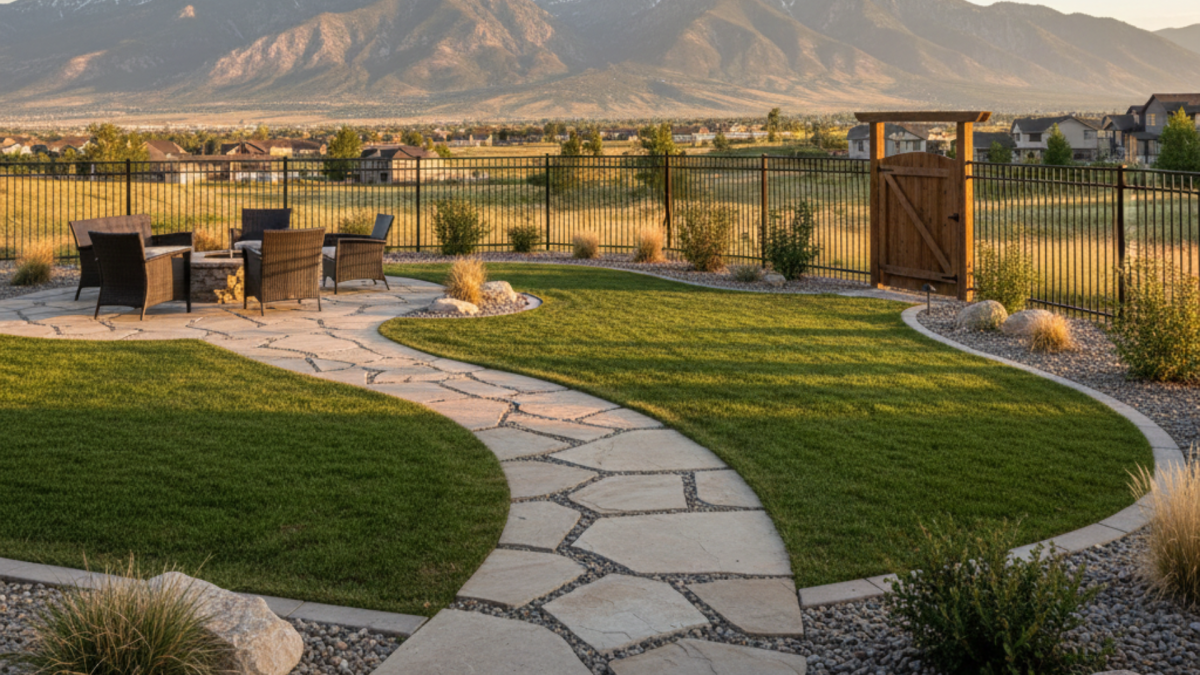
Lot dimensions and existing features constrain options. Narrow yards may not accommodate side yards adequate for walkways and plantings alongside patios. Sloped properties require more extensive grading work to create level spaces suitable for furniture and gathering. Understanding these constraints early prevents planning spaces that aren’t feasible given site realities. Professional patio and walkway design accounts for how site conditions affect layout options and construction requirements.
Sun exposure patterns throughout the day and across seasons affect where different features should go for comfortable use. West facing yards need shade strategies for afternoon and evening use during summer. North facing spaces may struggle with adequate warmth during shoulder seasons.
Supporting Thoughtful Planning Decisions
Helping homeowners think through use patterns honestly prevents costly mistakes and creates outdoor spaces that add genuine value to daily life. This means asking questions that prompt realistic assessment rather than reinforcing aspirational but unrealistic scenarios.
Communication about tradeoffs helps families make informed choices. Understanding that larger patios cost more but provide flexibility for varied uses allows better decisions than simply maximizing size without discussing implications. Knowing that certain locations offer aesthetic benefits while others provide functional advantages helps families prioritize what matters most for their situation. Landscape design services in northern Utah that facilitate these conversations help ensure outdoor investments serve real needs.
Following up after installations allows for feedback about how spaces actually get used compared to expectations. This information helps refine recommendations for future projects and provides insight other homeowners benefit from during their planning.
Connecting Use Patterns to Broader Landscape Decisions
Understanding how outdoor spaces will actually be used affects more than just patio size and fire pit location. It influences irrigation design for areas that will see heavy foot traffic versus those that remain primarily planted. It determines whether outdoor lighting should prioritize ambiance or functional illumination for activities. It shapes decisions about which areas need decorative curbing to define spaces and which can transition more organically.
Families who recognize their true use patterns before finalizing designs create outdoor spaces that enhance daily life rather than sitting as expensive but underutilized features. The investment shifts from trying to live up to an imagined ideal to supporting the life the family actually leads.
For information about planning outdoor living spaces in northern Utah, contact Renegade Landscapes at (385) 284-0453 or visit renegadelandscapes.com.

Contact Information:
Renegade Landscapes – Layton
1946 E 1275 N
Layton, OH 84040
United States
Contact Renegade Landscapes
https://renegadelandscapes.com/layton-ut/

Original Source: https://renegadelandscapes.com/media-room-layton/