How to Plan Durable Backyard Paver Patios with Expert Guidance in Olympia
Olympia, United States – February 27, 2026 / Eli’s Paver Patios- Olympia Showroom /
Eli’s Paver Patios Showroom in Olympia Outlines Key Design Considerations for Backyard Paver Patios

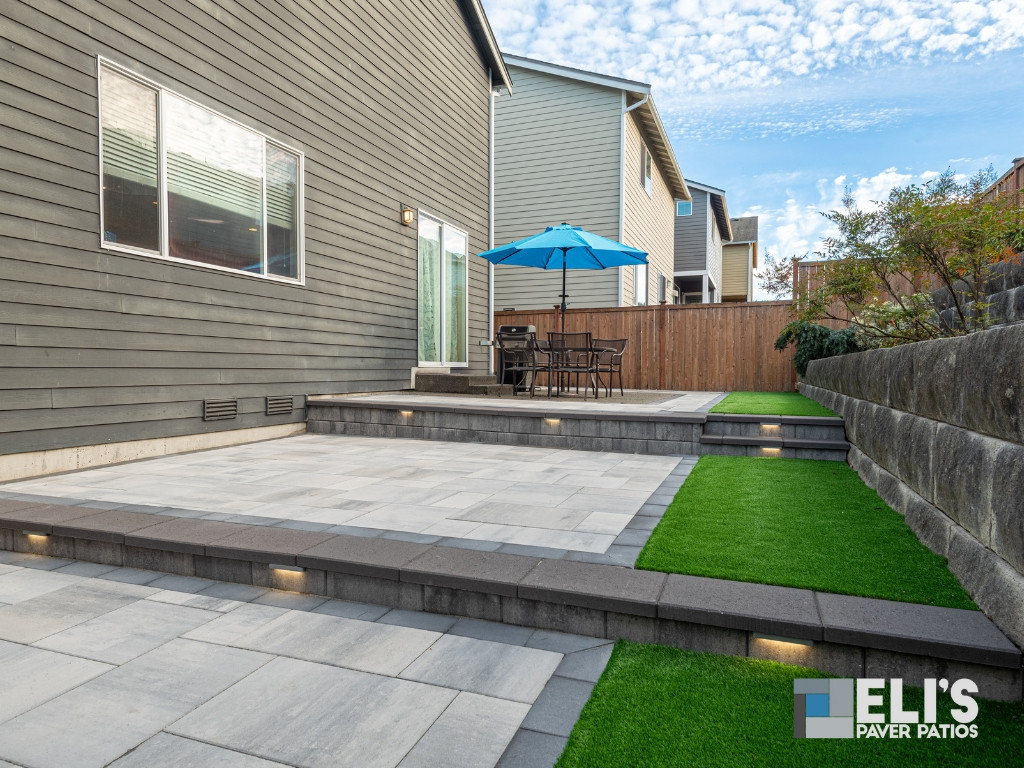
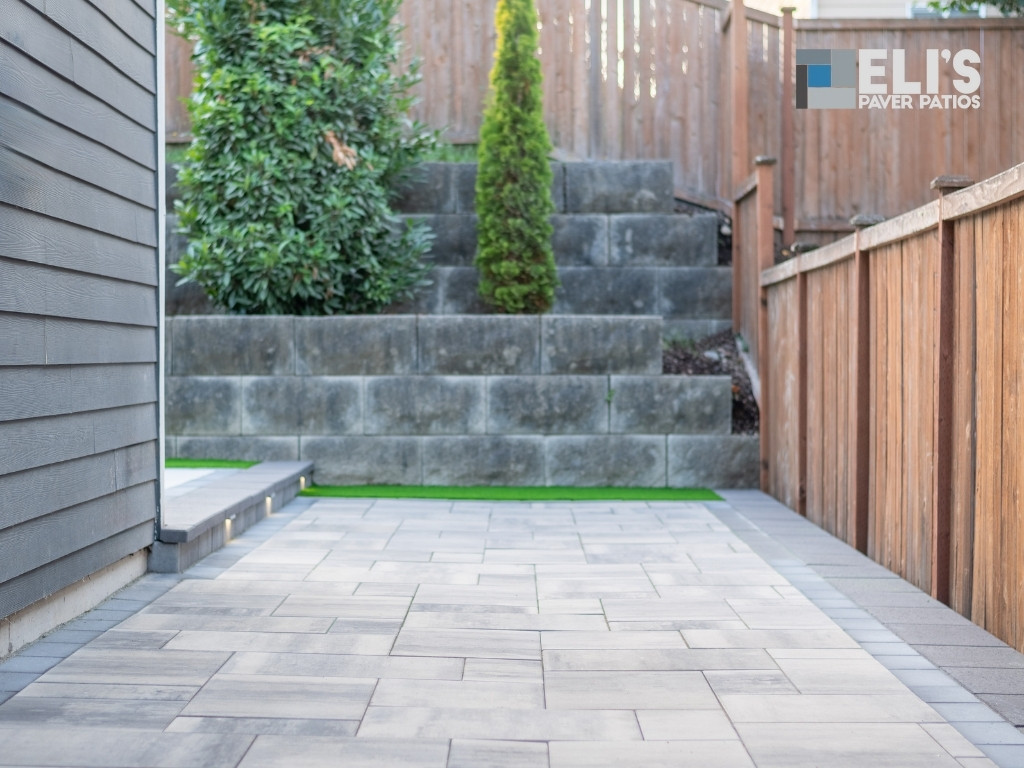
Backyard upgrades often begin with a patio. The layout, materials, and installation methods chosen will affect how the space looks and performs for years. Backyard paver patios require more than surface-level design decisions. Structural planning, drainage, and long-term use must all be considered before installation begins.
The team at Eli’s Paver Patios Showroom in Olympia outlines key design factors homeowners should evaluate when planning backyard paver patios.
Define How the Space Will Be Used
A clear purpose leads to better design decisions.
Will the patio be used for dining? Entertaining? Quiet seating? Outdoor cooking? Each function changes how the space should be structured.
High-traffic areas may require thicker pavers and stronger base support. Furniture placement affects layout dimensions. Walkways connecting doors, pools, or gardens should allow smooth movement.
Backyard paver patios work best when the layout reflects real-life use. Planning for how the space will function prevents crowding and uneven wear.
Evaluate the Existing Yard Conditions
Every yard presents different challenges. Soil type, slope, drainage patterns, and nearby structures all influence design decisions.
Before construction begins, consider:
-
Soil stability and compaction needs
-
Existing grading and water flow
-
Tree roots or underground utilities
-
Proximity to the home’s foundation
Ignoring these factors may lead to settling or drainage issues. Backyard paver patios last longer when the design works with the landscape rather than against it.
Choose Materials Based on Performance
Material selection affects durability, maintenance, and safety. Not all pavers perform the same under weather exposure and daily use.
When comparing options, review:
-
Load-bearing strength
-
Slip resistance
-
Color consistency
-
Resistance to cracking or fading
Concrete pavers are commonly selected for backyard paver patios due to their uniform sizing and strength. Natural stone offers variation but may require additional planning for thickness and support.
Material decisions should be based on climate conditions and intended use, not appearance alone.
Plan for Drainage From the Beginning
Water management is one of the most important design elements. Without proper drainage, water can pool on the surface or weaken the base over time.
Effective drainage planning includes:
-
Creating a slight slope away from the home
-
Installing drainage channels where needed
-
Using permeable systems when appropriate
Standing water increases wear and can lead to shifting pavers. Backyard paver patios remain stable when water is directed away from the structure and surrounding landscape.
Select a Pattern That Supports Stability
The layout pattern affects both appearance and strength. Certain patterns interlock more effectively, reducing movement under pressure.
Common structural patterns include:
-
Herringbone for high-traffic areas
-
Running bond for walkways
-
Basket weave for decorative sections
Interlocking designs distribute weight more evenly across the surface. This helps reduce shifting over time.
When planning backyard paver patios, the pattern should balance structural needs with visual goals.
Plan for Maintenance and Access
Every patio requires maintenance. Designing with maintenance in mind reduces long-term costs and repairs.
Consider joint materials that help limit weed growth. Evaluate whether sealing will improve stain resistance. Plan access points for lighting or irrigation systems before final installation.
Small design choices today can simplify upkeep later. Backyard paver patios that are easy to maintain tend to retain their appearance and performance longer.
Focus on Professional Installation Standards
Even strong materials and thoughtful design will fail without proper installation. Structured processes help ensure long-term durability.
Professional installation typically includes proper excavation, layered compaction, edge restraint installation, and final surface leveling. Each step supports structural stability.
Homeowners planning backyard paver patios are encouraged to visit Eli’s Paver Patios Showroom in Olympia to explore material options, discuss project goals, and work with experienced professionals who follow proven installation standards. Choosing knowledgeable professionals helps protect the investment and supports lasting results.

Contact Information:
Eli’s Paver Patios- Olympia Showroom
625 Black Lake Blvd SW Capital Mall #H7
Olympia, WA 98502
United States
Kira Mettler
(360) 807-4198
https://elispaverpatios.com/olympia-paver-contractor/