Workwear, PPE and Gloves: What Really Drives Safety Compliance on South African Sites
Gauteng, South Africa – February 13, 2026 / Pansula Workwear /
Workwear, PPE and Gloves: Pansula Workwear Explains What South African Teams Should Expect From Safety Compliance Clothing
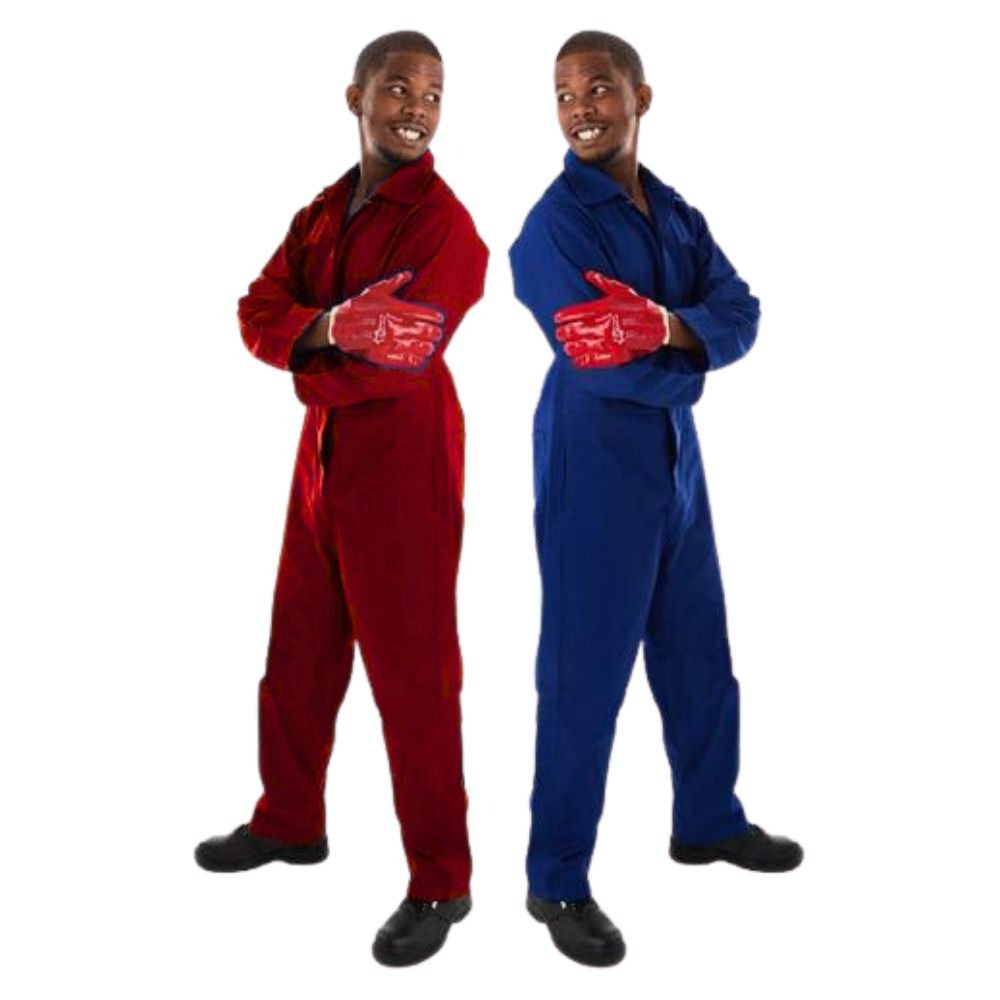
Workwear, PPE and gloves sit at the centre of daily safety in South African workplaces, but they’re often only noticed when something goes wrong. A torn seam, a glove that slips, a jacket that traps heat, or a reflective strip that fades too quickly can turn a routine shift into a risk. Pansula Workwear supplies durable, industry-ready workwear, PPE and gloves designed for South African working environments where comfort, safety compliance clothing, and long-wear performance matter every day.
This educational press release explains what “industry-ready” workwear and PPE should include in practical terms, why comfort and fit play a direct role in compliance, and how procurement teams can reduce replacement costs and incidents by choosing the right garments and protective gear upfront.
Why “Safety Compliance Clothing” Is About More Than a Tick-Box
When people hear “compliance”, they often picture rules, checklists, and paperwork. On the ground, safety compliance clothing is simpler and more demanding at the same time. It’s clothing and protective gear that workers actually wear properly, for the full shift, across heat, dust, movement, and repeated washing.
If workwear is uncomfortable or poorly sized, people adjust it. Sleeves get rolled up. Jackets stay unzipped. Gloves come off for “just a minute”. Over time, those small choices become habits, and habits create gaps in protection. That’s why the real standard for safety compliance clothing is not only the label or the category, but whether the item performs in the conditions it’s meant for and whether it supports correct use without friction.
A reliable workwear supplier focuses on the working reality. That means durable fabrics, reinforced stress points, sensible fit, and PPE that supports grip, dexterity, and all-day use.
What “Industry-Ready” Workwear Looks Like in South African Conditions
South African work environments are diverse, and the conditions that workwear needs to handle can change dramatically between industries and sites. Some teams work in high heat. Some work in wet or windy conditions. Some work around dust, grease, or abrasive surfaces. Many teams move constantly, climb, lift, and repeat the same motion hundreds of times per shift.
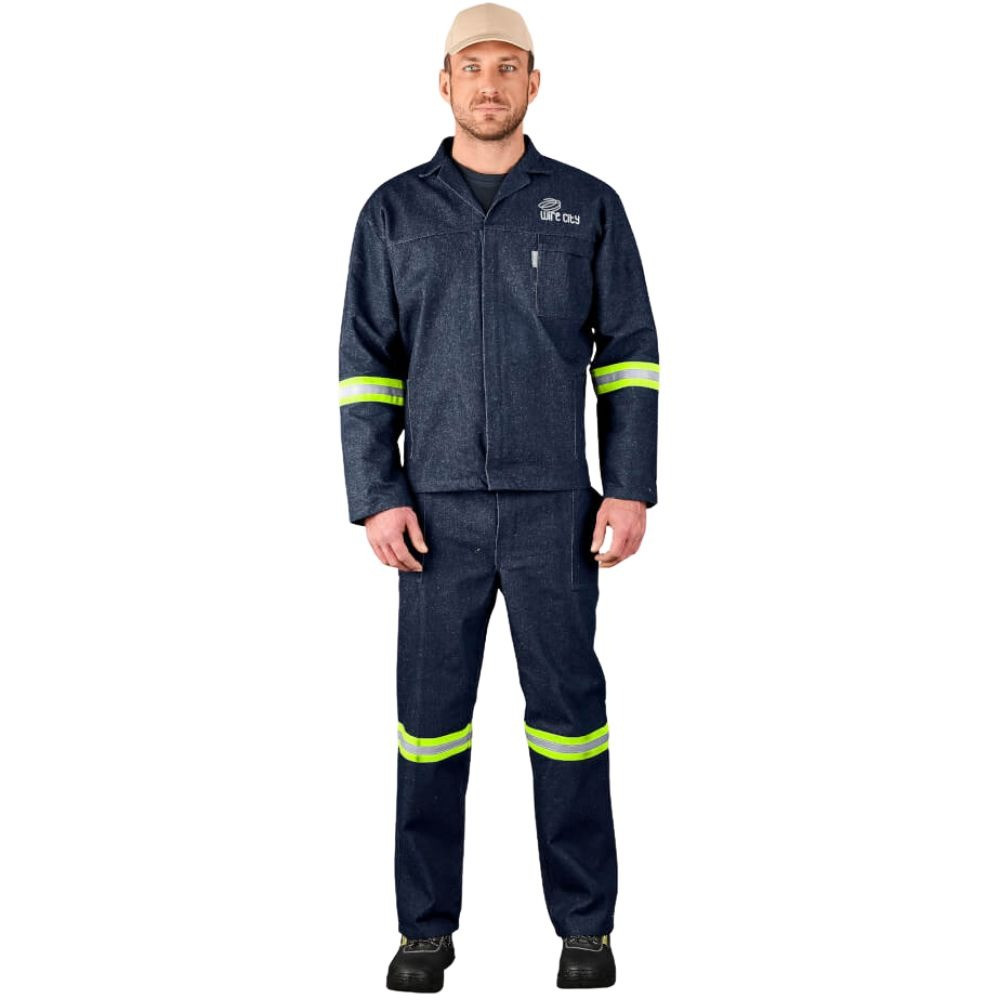
Industry-ready workwear accounts for that. It’s designed to handle repeated wear, frequent washing, and physical strain without losing shape or comfort. It’s also built to maintain a professional appearance, which matters for teams working on client sites, in security roles, in logistics, or in customer-facing environments where uniform presentation is part of trust.
Durability does not have to mean heavy and stiff. The goal is balance, where the garment lasts, stays comfortable, and supports movement without tearing at seams or wearing through at knees, elbows, and pockets.
The Practical Purpose of PPE in Daily Work
PPE is sometimes treated like an add-on. In reality, it’s part of a system that includes training, processes, supervision, and the right equipment. The clothing and protective gear must match the risks of the job, and it must be easy to use correctly.
In day-to-day terms, PPE should reduce exposure to common hazards like impact, abrasion, splashes, dust, and environmental conditions. PPE should also be suitable for the specific task, because “more” protection is not always “better” if it creates new issues such as heat stress, reduced dexterity, or restricted movement.
The best PPE choices support a safe routine rather than interrupt it. When PPE is chosen well, it becomes the normal way of working, not the thing workers try to avoid.
Why Gloves Deserve More Attention Than They Usually Get
Gloves are one of the most frequently replaced PPE items, and they are also one of the most misunderstood. Many teams think of gloves as a single category, but glove performance depends on the task. A glove that works for handling boxes may not be suitable for fine assembly. A glove that provides strong protection may reduce dexterity. A glove that fits poorly can cause fatigue and reduce grip.
In practical terms, gloves should support safe handling, reliable grip, and comfort that lasts through the shift. If gloves are uncomfortable, workers remove them. If gloves reduce control, workers “quickly do the tricky part” without them. If gloves tear easily, workers keep using damaged pairs, especially when replacements are not readily available.
A smarter approach is matching glove types and sizes to the tasks and ensuring consistent supply. When teams have the right gloves, compliance improves because the glove helps them work better rather than getting in the way.
Comfort Is Not a Luxury, It’s a Safety Feature
Comfort affects behaviour. Behaviour affects compliance. That connection is often missed when safety gear is procured purely on price.
In hot conditions, heavy garments can increase fatigue and lead to shortcuts. In cold or wet environments, insufficient protection reduces comfort and focus. Poor fit creates constant distraction and can limit movement. Over time, discomfort reduces the likelihood that PPE will be worn consistently and correctly.
Workwear designed for long wear performance considers breathability, flexibility, and fit across sizes. PPE that supports comfort includes gloves that allow movement and grip without causing pressure points or discomfort that builds through the day.
This is where value becomes visible. Comfortable, durable gear reduces replacements, reduces interruptions, and supports safer work.
The Hidden Cost of Low-Quality Workwear and PPE
The upfront cost of workwear, PPE and gloves is only part of the cost. The bigger cost often appears in replacement cycles, time lost, and inconsistent compliance.
Low-quality garments can fail quickly at seams, zips, and stress points. That creates frequent replacement needs and forces teams to work in mismatched items while waiting for new stock. It also increases procurement admin because orders become reactive rather than planned.
With PPE, low-quality gloves can tear or lose grip, and that increases risk and slows work. When protective gear fails mid-task, workers either stop to replace it or continue without it. Both outcomes cost time, and one outcome increases risk.
Long-wear performance is not a marketing phrase. It is the difference between planned purchasing and constant catch-up.
How Procurement Teams Can Choose Workwear That Supports Compliance
Choosing safety compliance clothing is easier when the decision is framed around real use. Procurement teams can reduce risk and improve outcomes by focusing on a few practical checks.
The first check is task suitability. The garment or glove must match the job’s daily demands, not just the job title. The second check is fit and sizing availability, because correct sizing supports correct wear. The third check is durability, with attention to the parts of a garment that fail first, like zips, stitching, and reinforcement zones.
It also helps to consider washing and care. Many workplaces require frequent laundering. Workwear should hold up to repeated washing without shrinking, twisting, or losing integrity. PPE should remain usable and reliable across the conditions it is exposed to.
Finally, standardisation matters. When teams have a consistent uniform and consistent PPE supply, supervisors can spot non-compliance quickly and workers know what is expected.
Workwear and PPE as Part of Brand and Professionalism
Uniforms do more than protect. They communicate identity, professionalism, and readiness. On construction sites, in security roles, in warehousing, and in field service, uniform standards shape how a team is perceived and how confidently they operate.
Professional workwear supports consistency across the workforce. It helps teams show up looking aligned, which builds trust with clients and reinforces internal standards. This is particularly important for teams that work across multiple sites or represent a brand in public-facing environments.
When workwear and PPE are managed properly, the result is a workforce that looks prepared and operates safely with fewer distractions.
Where Pansula Workwear Fits In
Pansula Workwear supplies durable workwear and PPE solutions designed for South African work conditions, with a focus on long wear performance and day-to-day comfort. The product approach is aimed at real working needs, where gear must hold up under daily strain and support consistent compliance without unnecessary discomfort.
For procurement teams, the goal is reliable supply, consistent standards, and workwear and PPE that can handle the reality of the job. For workers, the goal is gear that fits properly, performs predictably, and stays comfortable enough to be worn correctly through the shift.
For more detail on relevant categories, reference Pansula Workwear’s Workwear range, PPE range, and Gloves selection, and use the Contact page to discuss bulk supply and uniform requirements.
FAQ: Workwear, PPE and Gloves
What is the difference between workwear and PPE?
Workwear refers to the clothing designed for work, including garments that support durability, comfort, and professional uniform standards. PPE refers to protective equipment intended to reduce exposure to specific hazards. In many workplaces, the two overlap in daily use because safety compliance clothing often includes both protective garments and protective equipment such as gloves. The right approach is to match both workwear and PPE to the tasks and conditions workers face, rather than treating them as separate boxes to tick.
Why do gloves have such a big impact on safety compliance?
Gloves are worn at the point where most daily hazards occur, during handling, lifting, carrying, assembling, and operating tools. If gloves are uncomfortable, poorly sized, or reduce dexterity, workers are more likely to remove them or use them incorrectly, which reduces compliance. Gloves also wear out faster than many other PPE items, so quality and consistent supply matter. When the glove fits well and supports grip and movement, it’s easier for workers to keep it on and maintain safe habits.
How can a business reduce replacement costs for workwear?
Replacement costs drop when workwear is chosen for long wear performance and matched to the job’s daily conditions. That includes selecting garments that handle repeated washing, movement, and abrasion without tearing at stress points. Standardising uniform items and ensuring correct sizing also helps because workers are less likely to modify garments or avoid wearing them. Consistent procurement and planned replacement cycles are typically more cost-effective than reactive buying after frequent failures.
What should businesses look for when buying safety compliance clothing?
Safety compliance clothing should fit correctly, remain comfortable through a full shift, and hold up to the working environment. It should support movement, avoid unnecessary irritation, and remain usable after regular laundering. For PPE, suitability to task is essential, especially for gloves where the job’s requirements for grip, dexterity, and protection can differ across roles. The best indicator is whether the clothing and PPE help workers do the job safely without creating extra friction that leads to shortcuts.
Does comfort really affect compliance in real workplaces?
Yes, because comfort affects whether PPE is worn consistently and correctly. Discomfort creates small behaviours like loosening clothing, removing gloves, or skipping protective layers for short tasks. Over time, those behaviours become routine and create gaps in protection. Comfort does not mean “soft” or “light” in every case. It means the gear suits the conditions, fits properly, and does not create unnecessary strain. When workwear and PPE feel practical, workers are more likely to wear them as intended.

Workwear and PPE in South Africa: Choose Gear That Holds Up
Workwear, PPE and gloves should protect workers, support comfort, and meet the demands of South African job sites where long wear performance matters every day. When safety compliance clothing is chosen well, it reduces repeat purchasing, improves consistency across teams, and supports safer routines without constant reminders.
To review options for workwear and PPE categories, explore Pansula Workwear’s product ranges and use the Contact page to request guidance on selecting the right items for your industry and site conditions.
Contact Information:
Pansula Workwear
20 Rudolph Street Sunderland Ridge
Gauteng, Centurion 0157
South Africa
Ahmed Omar
+27 12 666 7682
https://pansulaworkwear.co.za/


